Call Us Now! 713-766-0614

Open 7 Days a Week - Available After Hours

Spider Extermination Houston Metro and Surrounding Areas

$59 Pest Control!
*$59 initial pest control service

Choose Us for Pest Control

  • Satisfaction Guarantee
  • Pet and Eco Friendly
  • Award Winning Service
  • Family Owned & Operated
  • Call Before Noon for Same Day Service
  • Free Re-treatment When Applicable
  • Licensed, Bonded, Insured

$59 Pest Control!

Call us Now! 713-766-0614

Spider Pest Control

What Are Spiders?

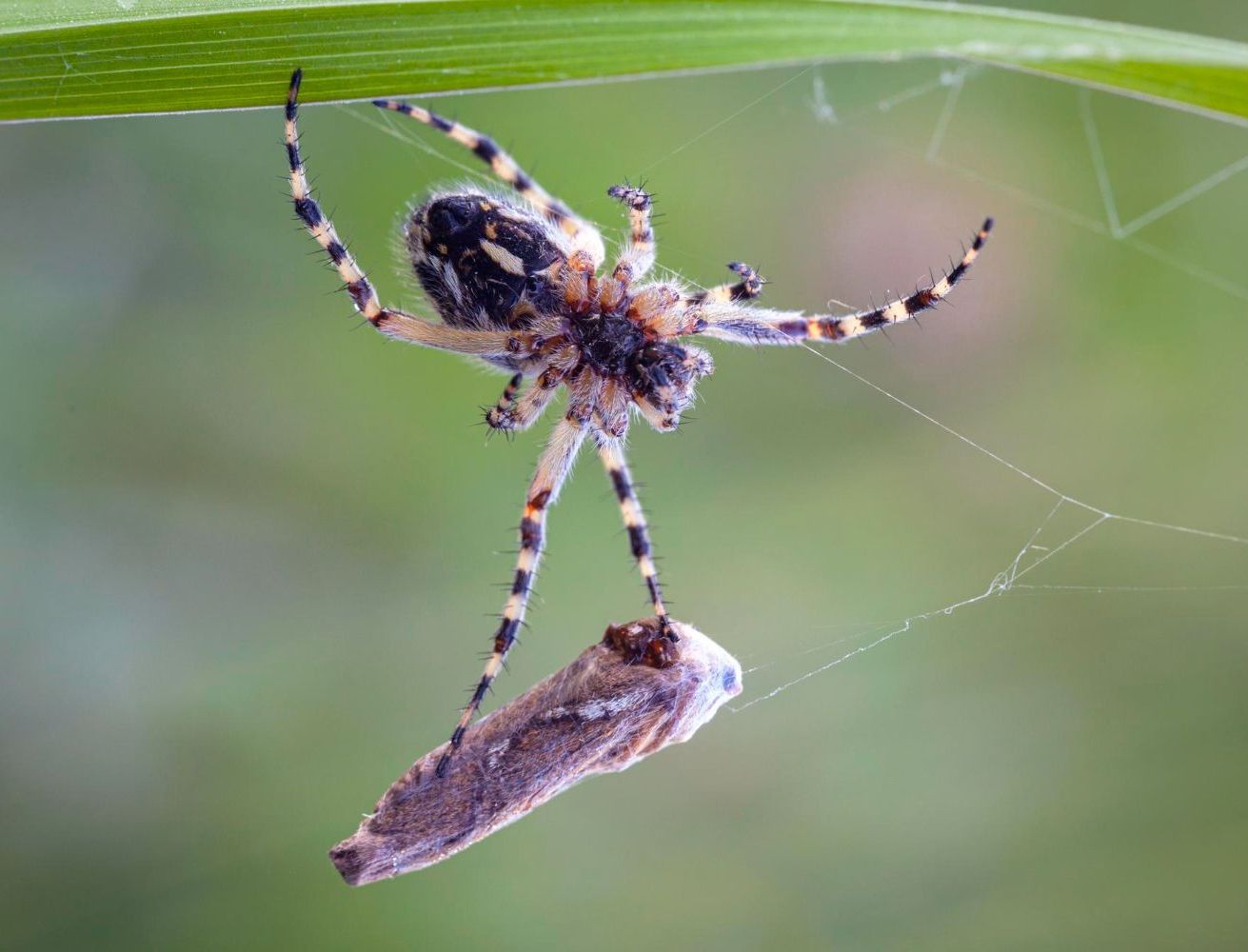
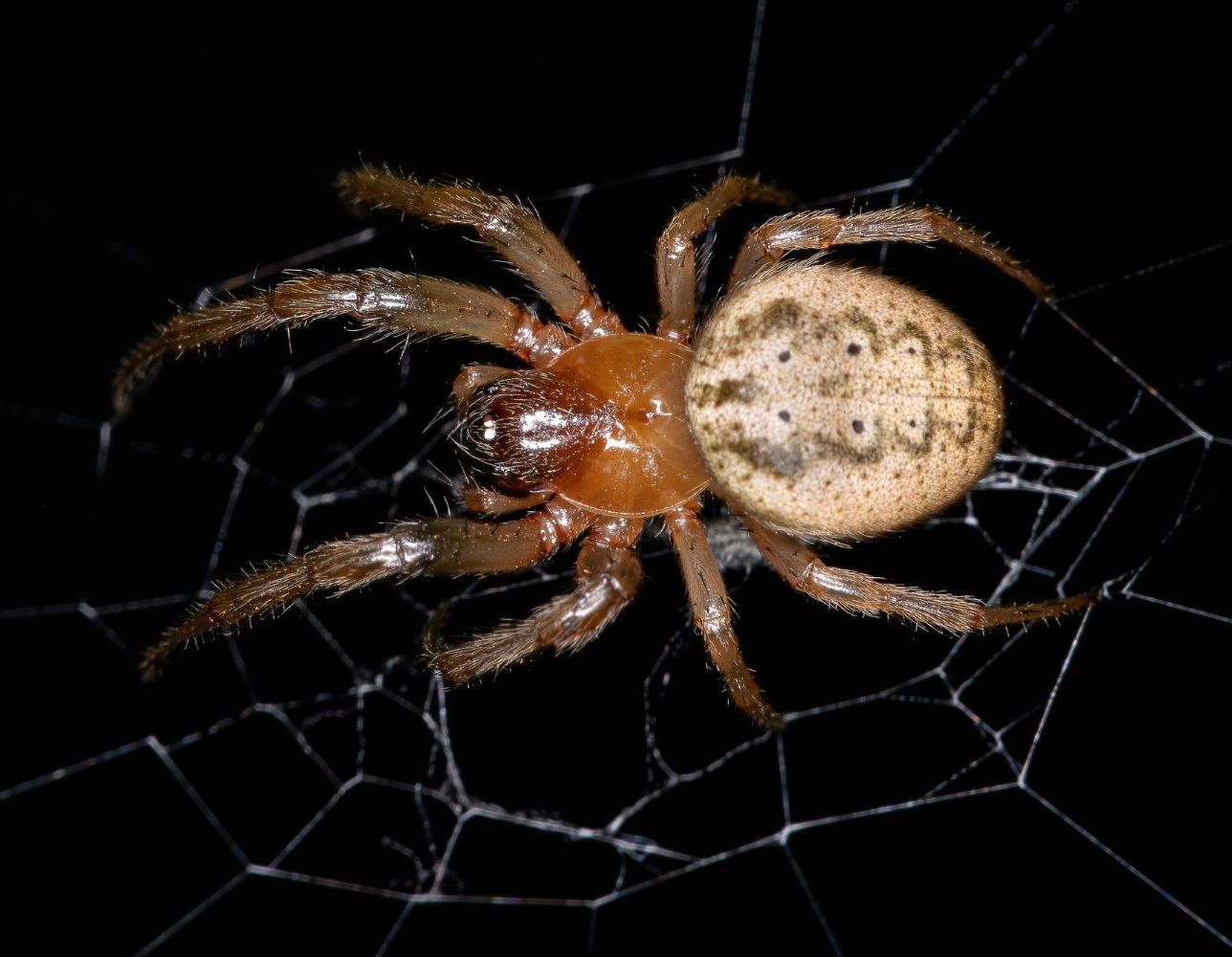
Spiders are fascinating members of the arachnid family, which includes other joint-legged invertebrates like scorpions, ticks, and mites. Found in almost every terrestrial habitat on Earth, spiders thrive in environments ranging from arid deserts and lush rainforests to urban backyards and homes.

Diverse and Adaptable Creatures

With over 48,000 known species, spiders exhibit incredible diversity in size, shape, color, and behavior. Common characteristics include:

  • Eight Legs: A signature feature that aids in their mobility and hunting.
  • Fangs with Venom: Used to subdue prey efficiently.
  • Silk Production: Spiders spin silk for various purposes, including trapping prey, constructing shelters, and creating egg sacs.


Spiders’ Role in Ecosystems

Spiders are vital predators in many ecosystems, helping to naturally control populations of insects and other arthropods. By preying on pests, they contribute to a balanced environment and reduce the need for chemical pest control methods.

Spider Pest Control

What Are Spiders?

Spiders are fascinating members of the arachnid family, which includes other joint-legged invertebrates like scorpions, ticks, and mites. Found in almost every terrestrial habitat on Earth, spiders thrive in environments ranging from arid deserts and lush rainforests to urban backyards and homes.

Diverse and Adaptable Creatures

With over 48,000 known species, spiders exhibit incredible diversity in size, shape, color, and behavior. Common characteristics include:

  • Eight Legs: A signature feature that aids in their mobility and hunting.
  • Fangs with Venom: Used to subdue prey efficiently.
  • Silk Production: Spiders spin silk for various purposes, including trapping prey, constructing shelters, and creating egg sacs.

Spiders’ Role in Ecosystems

Spiders are vital predators in many ecosystems, helping to naturally control populations of insects and other arthropods. By preying on pests, they contribute to a balanced environment and reduce the need for chemical pest control methods.

Can Spiders Be Dangerous?

Yes, some species of spiders can pose a danger to humans, though the majority are harmless. Spiders use venom to immobilize their prey, but only a small number of species have venom potent enough to cause serious health issues in humans.

Notable Dangerous Spiders

The most well-known dangerous spiders include:


Black Widow Spider
Found in various regions worldwide, the black widow’s bite can cause symptoms such as:

Muscle pain and cramps

Spasms

In severe cases, difficulty breathing or, rarely, death

Brown Recluse Spider
Native to the United States, the brown recluse spider’s bite can result in:

Pain and swelling

Fever

Necrosis (tissue damage)

How Common Are Spider Bites?

It’s important to note that bites from dangerous spiders are rare, and most spider bites are harmless. Spiders typically bite only in self-defense when they feel threatened, and their instinct is to flee rather than attack.

Can Spiders Be Dangerous?

Yes, some species of spiders can pose a danger to humans, though the majority are harmless. Spiders use venom to immobilize their prey, but only a small number of species have venom potent enough to cause serious health issues in humans.

Notable Dangerous Spiders

The most well-known dangerous spiders include:

Black Widow Spider
Found in various regions worldwide, the black widow’s bite can cause symptoms such as:

Muscle pain and cramps

Spasms

In severe cases, difficulty breathing or, rarely, death

Brown Recluse Spider
Native to the United States, the brown recluse spider’s bite can result in:

Pain and swelling

Fever

Necrosis (tissue damage)

How Common Are Spider Bites?

It’s important to note that bites from dangerous spiders are rare, and most spider bites are harmless. Spiders typically bite only in self-defense when they feel threatened, and their instinct is to flee rather than attack.

Getting Rid of Spiders in Your Home

If spiders are becoming a concern in your home or workplace, there are effective steps you can take to reduce their presence and prevent future infestations.


Practical Tips for Managing Spiders

Keep Your Home Clean and Organized
Spiders are attracted to cluttered spaces where they can easily hide. Regularly clean and declutter areas like basements, attics, and closets to make your home less inviting to them.

Seal Cracks and Gaps
Spiders can enter your home through even the smallest openings. Inspect your walls, windows, doors, and foundation for cracks or gaps, and seal them with caulk or weatherstripping to keep spiders out.

Use Natural Spider Repellents
Certain essential oils, like peppermint and eucalyptus, are known to repel spiders. To use:

Place a few drops of essential oil on cotton balls.

Place the cotton balls near entry points or areas where spiders are commonly found, such as windowsills, corners, or vents.

When to Call a Professional

If you’re dealing with a severe spider infestation or a dangerous species, such as black widows or brown recluses, professional pest control services are your safest option. Experienced exterminators can:

  • Identify the type of spider.
  • Safely eliminate the infestation.
  • Provide long-term solutions to keep spiders from returning.

Getting Rid of Spiders in Your Home

If spiders are becoming a concern in your home or workplace, there are effective steps you can take to reduce their presence and prevent future infestations.


Practical Tips for Managing Spiders

Keep Your Home Clean and Organized
Spiders are attracted to cluttered spaces where they can easily hide. Regularly clean and declutter areas like basements, attics, and closets to make your home less inviting to them.

Seal Cracks and Gaps
Spiders can enter your home through even the smallest openings. Inspect your walls, windows, doors, and foundation for cracks or gaps, and seal them with caulk or weatherstripping to keep spiders out.

Use Natural Spider Repellents
Certain essential oils, like peppermint and eucalyptus, are known to repel spiders. To use:

Place a few drops of essential oil on cotton balls.

Place the cotton balls near entry points or areas where spiders are commonly found, such as windowsills, corners, or vents.

When to Call a Professional

If you’re dealing with a severe spider infestation or a dangerous species, such as black widows or brown recluses, professional pest control services are your safest option. Experienced exterminators can:

  • Identify the type of spider.
  • Safely eliminate the infestation.
  • Provide long-term solutions to keep spiders from returning.

$59 Pest Control!

Call us Now! 713-766-0614

Testimonials

It looks like Brooks Pest is the “Real Deal”. I’ve been using them for several months now and so far we are happy customers. The customer service has been great. Technicians are on time and responsive. The attention to detail is great !

My technician went above and beyond explaining the different chemicals and products he was going to use. He exceeded my expectations. Cant wait to. Recommend this service to my neighbors and friends.

Each time I've had a tech come and do service, they were friendly and highly professional. Took time to explain the products they were using. Also fast and efficient not missing any details. I Would recommend.

Spider Exterminator near me

Serving Houston Metro and Surrounding Areas
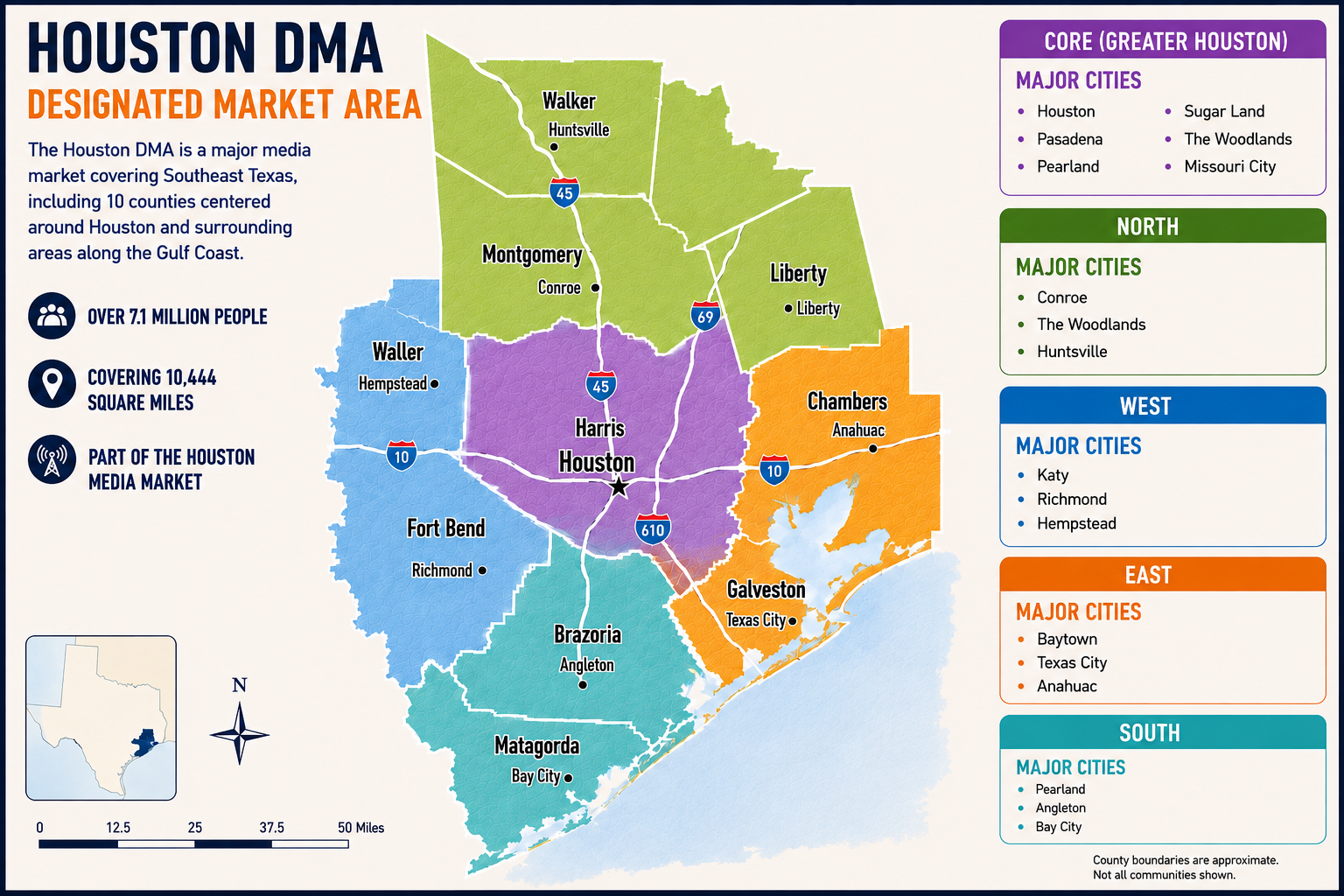
Core (Greater Houston)


Houston

Sugar Land

Pasadena

Pearland

Missouri City

The Woodlands

Katy

Baytown

League City

Conroe


North & South


Conroe

The Woodlands

Magnolia

Montgomery

Willis

Spring

Katy

Richmond

Rosenberg

Fulshear

Brookshire

Hempstead

Sealy


East & South


Baytown

Mont Belvieu

Liberty

Dayton

Anahuac

La Porte

Deer Park

Pearland

Alvin

Angleton

Lake Jackson

Freeport

Texas City

Galveston


Frequently Asked Questions

Got questions about pest control in Houston? We’ve got answers! Here are some of the most common inquiries we receive from homeowners.

  • What pests are most common in Houston?

    Houston’s warm, humid climate creates ideal conditions for pests like cockroaches, ants, mosquitoes, termites, rodents, spiders, fleas, ticks, and bed bugs. The specific pest pressures can vary by area, influenced by landscaping and property conditions.
  • How often should my Houston home receive pest control?

    Most homes benefit from quarterly pest control, but properties with more significant pest activity may require monthly or bi-monthly treatments. A pest professional can tailor a schedule based on your specific needs.
  • Are pest control treatments safe for children and pets?

    Yes, professional pest treatments can be safe for children and pets when applied correctly. Your technician will provide guidance on any necessary precautions before, during, and after treatment.
  • Why am I still seeing pests after treatment?

    Seeing a few pests post-treatment doesn’t mean it was ineffective. Some pests may remain hidden or re-enter from outside. It can take time for treatments to fully take effect, and follow-up inspections can help assess the situation.
  • How can I tell if my Houston home has termites?

    Look for signs like mud tubes, discarded wings, hollow-sounding wood, and unexplained wood damage. A professional inspection is the best way to confirm termite activity.
  • When is mosquito season in Houston?

    Mosquitoes can be active year-round in Houston, especially during warm, rainy periods. Reducing standing water and maintaining landscaping can help control their population.
  • What attracts cockroaches to Houston homes?

    Cockroaches are drawn to food, moisture, and hiding spots. Common attractants include leaks, food crumbs, and clutter. Houston's climate allows them to thrive throughout the year.
  • Do I need to leave my Houston home during pest control?

    Not always. It depends on the pest and treatment type. Many routine treatments allow homeowners to stay, but specialized services may have different requirements.
  • How should I prepare my home for pest control?

    Preparation varies by treatment but generally includes decluttering, storing food properly, and providing access to treatment areas. Your technician will provide specific instructions.
  • How much does pest control cost in Houston?

    Costs depend on factors like pest type, property size, and treatment method. A professional inspection can help determine the best plan and provide an accurate estimate.

Need More Help?

If you have more questions or need assistance with pest control, don’t hesitate to reach out to Brooks Pest Solutions. We’re here to help keep your home pest-free!

$59 Pest Control!

Call us Now! 713-766-0614