Call Us Now! 713-766-0614

Open 7 Days a Week - Available After Hours

Flea Extermination Houston Metro and Surrounding Areas

$59 Pest Control!
*$59 initial pest control service

Choose Us for Pest Control

  • Satisfaction Guarantee
  • Pet and Eco Friendly
  • Award Winning Service
  • Family Owned & Operated
  • Call Before Noon for Same Day Service
  • Free Re-treatment When Applicable
  • Licensed, Bonded, Insured

$59 Pest Control!

Call us Now! 713-766-0614

Flea Pest Control

Understanding Fleas: A Common Pest Problem

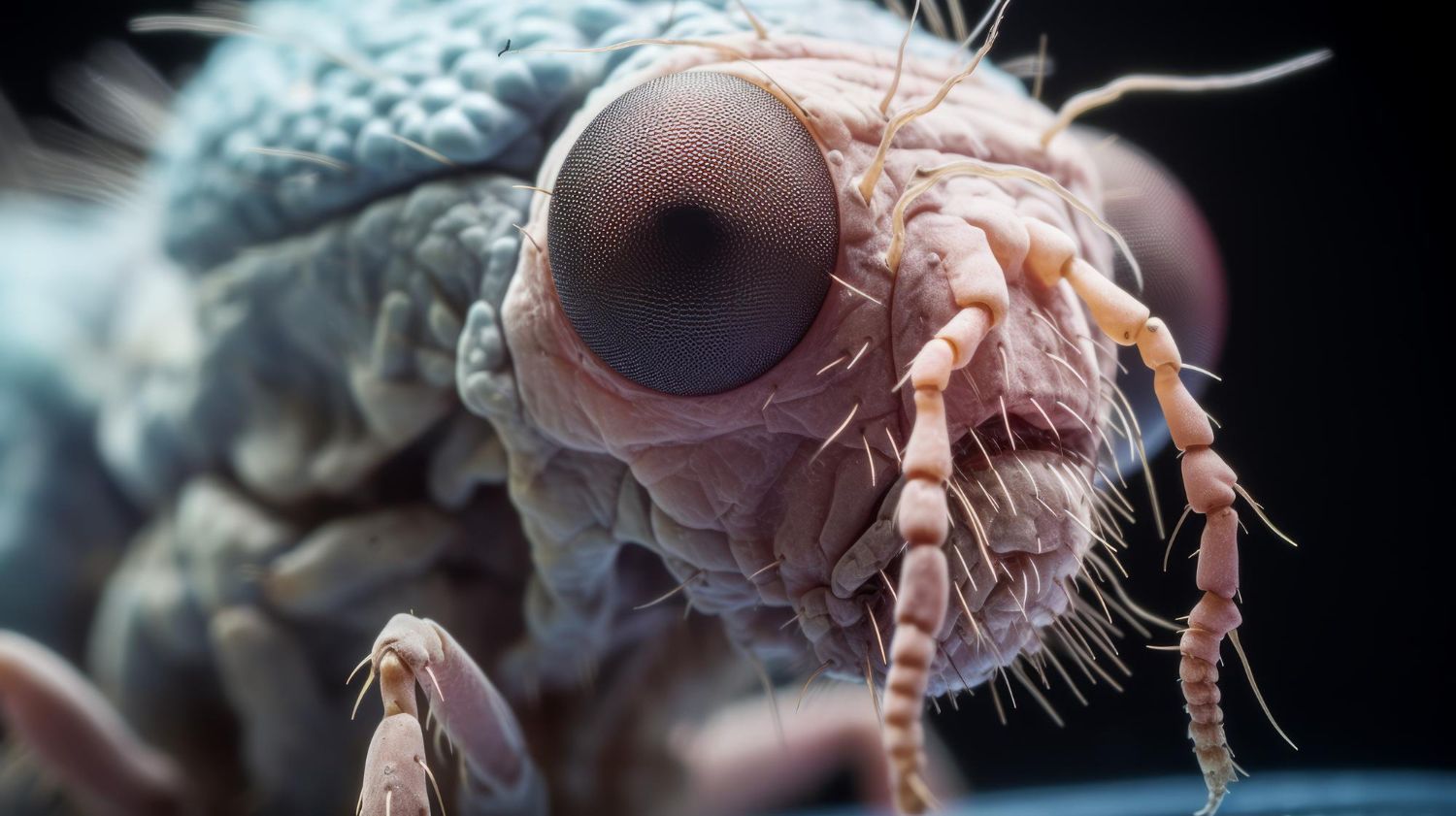
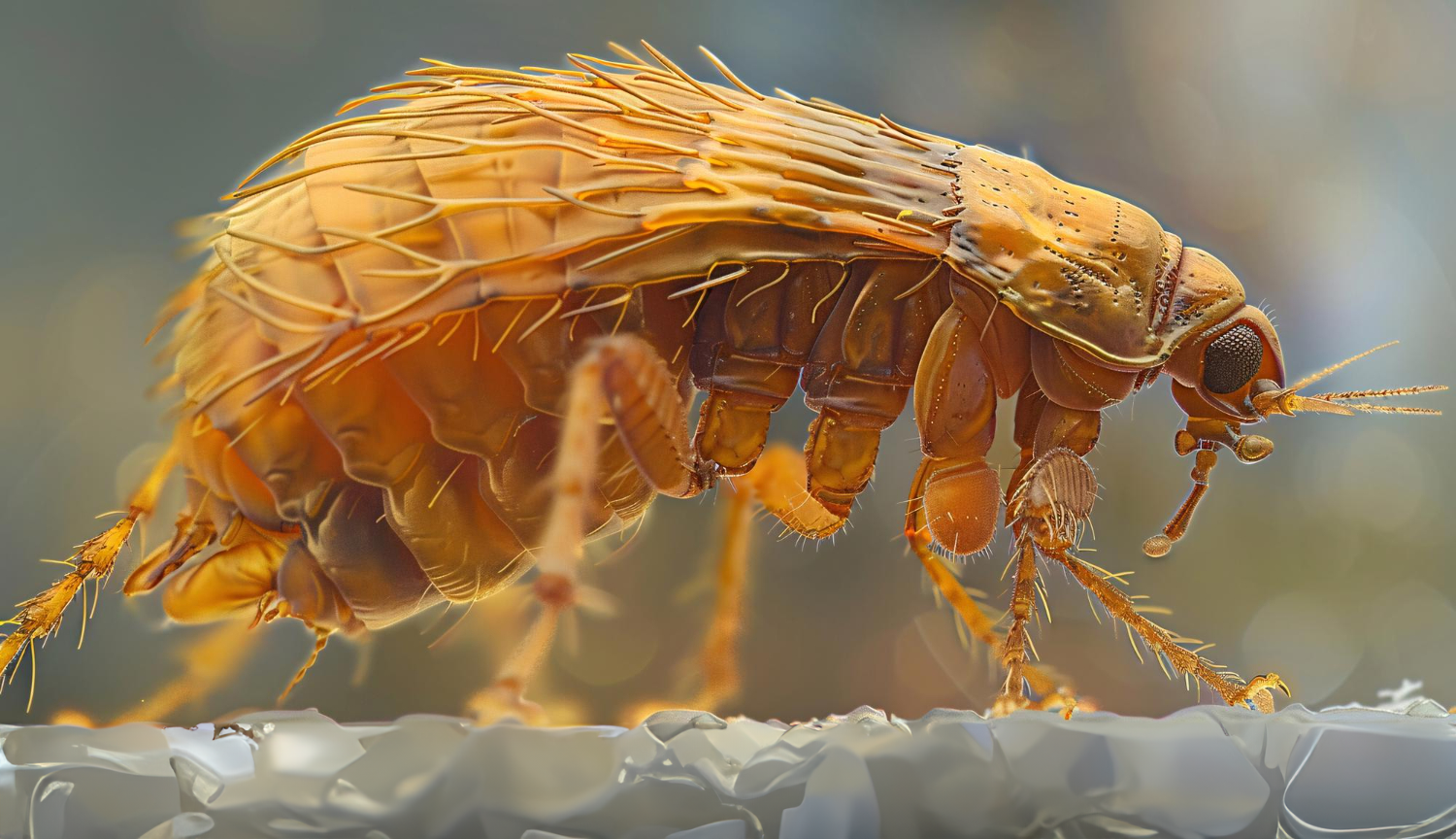
Fleas are tiny, wingless parasites that feed on the blood of mammals and birds. Measuring just 1–3 mm in length, these pests have flattened bodies that allow them to navigate easily through the fur or feathers of their hosts. Their powerful legs enable them to jump great distances, making it easy for fleas to move from one host to another and spread quickly.

The Impact of Fleas on Pets and Humans


Fleas are a significant nuisance for pet owners, often infesting dogs and cats. These infestations cause itching, irritation, and discomfort for your furry friends. In severe cases, fleas can lead to more serious health issues, such as anemia or tapeworm infections.


Fleas don’t limit their bites to pets—they can also bite humans, causing skin irritation, allergic reactions, and itching. Once fleas establish themselves, they can spread rapidly and become increasingly difficult to eliminate.

Flea Pest Control

Understanding Fleas: A Common Pest Problem


Fleas are tiny, wingless parasites that feed on the blood of mammals and birds. Measuring just 1–3 mm in length, these pests have flattened bodies that allow them to navigate easily through the fur or feathers of their hosts. Their powerful legs enable them to jump great distances, making it easy for fleas to move from one host to another and spread quickly.


The Impact of Fleas on Pets and Humans

Fleas are a significant nuisance for pet owners, often infesting dogs and cats. These infestations cause itching, irritation, and discomfort for your furry friends. In severe cases, fleas can lead to more serious health issues, such as anemia or tapeworm infections.


Fleas don’t limit their bites to pets—they can also bite humans, causing skin irritation, allergic reactions, and itching. Once fleas establish themselves, they can spread rapidly and become increasingly difficult to eliminate.


How to Prevent and Treat Flea Infestations

Effective flea prevention requires a combination of steps:

Regular Grooming: Frequent grooming helps detect fleas early and reduce their population on your pets.


Flea Prevention Products: Use vet-recommended flea collars, shampoos, or topical treatments to protect your pets year-round.

Clean Home and Yard: Regularly vacuum carpets, wash pet bedding, and clear debris from your yard to remove potential hiding spots for fleas.

How to Prevent and Treat Flea Infestations

Effective flea prevention requires a combination of steps:

Regular Grooming: Frequent grooming helps detect fleas early and reduce their population on your pets.


Flea Prevention Products: Use vet-recommended flea collars, shampoos, or topical treatments to protect your pets year-round.

Clean Home and Yard: Regularly vacuum carpets, wash pet bedding, and clear debris from your yard to remove potential hiding spots for fleas.

What do fleas eat?


Fleas are parasitic insects that survive by feeding on the blood of mammals and birds. Using their specialized mouthparts, fleas pierce the skin of their hosts and draw blood. They possess sharp, saw-like jaws to cut through skin and a long, straw-like proboscis to extract blood efficiently.


How Much Do Fleas Consume?

Blood is essential for fleas to survive and reproduce. A single flea can consume up to 15 times its body weight in blood during a single feeding. Without access to a blood meal, adult fleas typically survive only a few days to a couple of weeks, emphasizing their constant need for a host.


Where Do Fleas Live?

While fleas rely on their hosts for feeding, they don’t live on or inside the host's body. Instead, they inhabit the host's environment, such as bedding, carpets, furniture, or yard debris. From these hiding spots, fleas jump onto their hosts to feed, making infestations challenging to eliminate.

Comprehensive Flea Control

Effective flea control requires addressing both the host and the surrounding environment. This includes treating your pets with vet-recommended flea preventatives and thoroughly cleaning and treating infested areas like carpets, pet bedding, and furniture.

If you’re dealing with a flea problem, professional pest control can help eliminate these pests at every stage of their lifecycle.

What do fleas eat?


Fleas are parasitic insects that survive by feeding on the blood of mammals and birds. Using their specialized mouthparts, fleas pierce the skin of their hosts and draw blood. They possess sharp, saw-like jaws to cut through skin and a long, straw-like proboscis to extract blood efficiently.


How Much Do Fleas Consume?

Blood is essential for fleas to survive and reproduce. A single flea can consume up to 15 times its body weight in blood during a single feeding. Without access to a blood meal, adult fleas typically survive only a few days to a couple of weeks, emphasizing their constant need for a host.


Where Do Fleas Live?

While fleas rely on their hosts for feeding, they don’t live on or inside the host's body. Instead, they inhabit the host's environment, such as bedding, carpets, furniture, or yard debris. From these hiding spots, fleas jump onto their hosts to feed, making infestations challenging to eliminate.

Comprehensive Flea Control

Effective flea control requires addressing both the host and the surrounding environment. This includes treating your pets with vet-recommended flea preventatives and thoroughly cleaning and treating infested areas like carpets, pet bedding, and furniture.

If you’re dealing with a flea problem, professional pest control can help eliminate these pests at every stage of their lifecycle.

$59 Pest Control!

Call us Now! 713-766-0614

Testimonials

It looks like Brooks Pest is the “Real Deal”. I’ve been using them for several months now and so far we are happy customers. The customer service has been great. Technicians are on time and responsive. The attention to detail is great !

My technician went above and beyond explaining the different chemicals and products he was going to use. He exceeded my expectations. Cant wait to. Recommend this service to my neighbors and friends.

Each time I've had a tech come and do service, they were friendly and highly professional. Took time to explain the products they were using. Also fast and efficient not missing any details. I Would recommend.

Flea Exterminator near me

Serving Houston Metro and Surrounding Areas
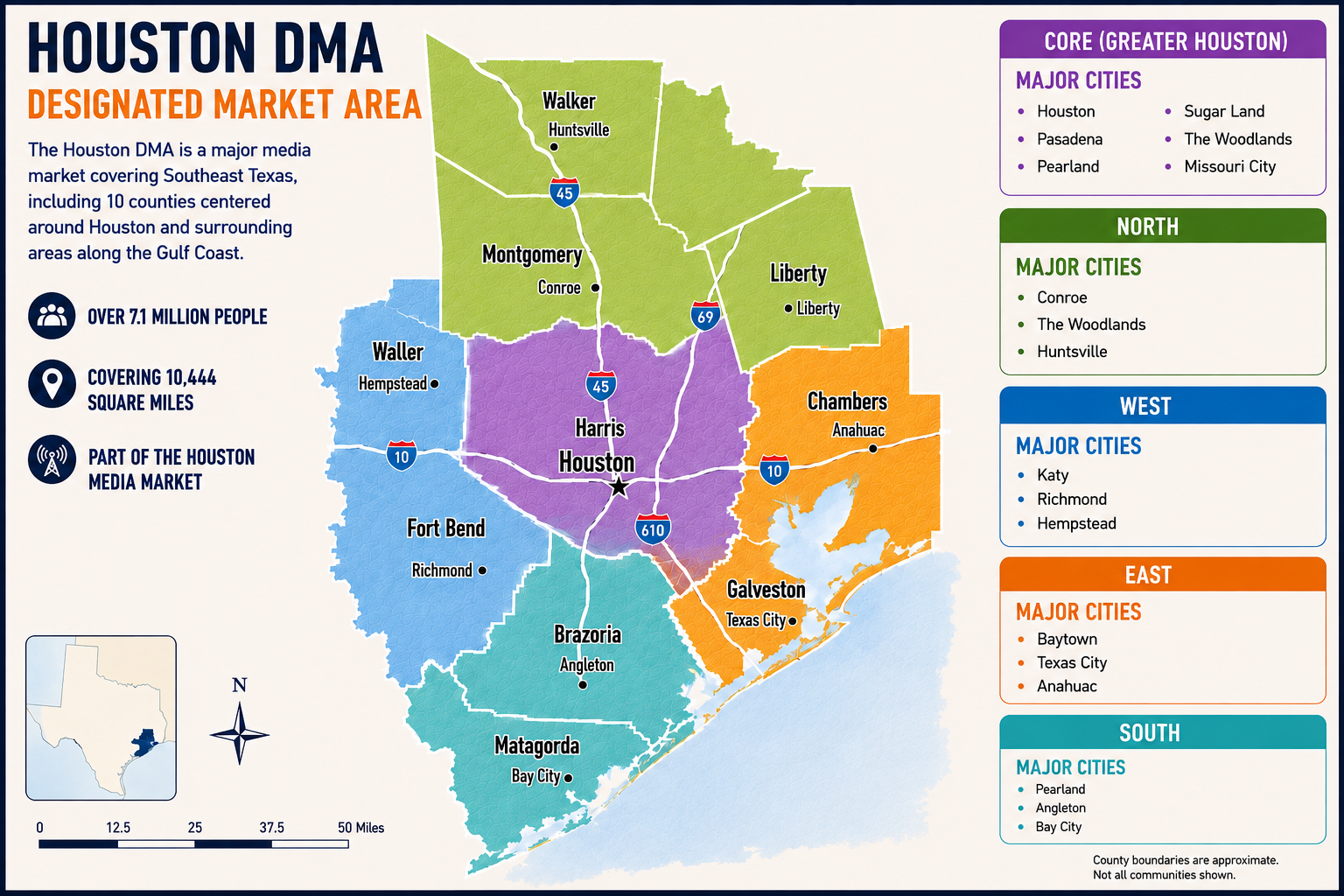
Core (Greater Houston)


Houston

Sugar Land

Pasadena

Pearland

Missouri City

The Woodlands

Katy

Baytown

League City

Conroe


North & South


Conroe

The Woodlands

Magnolia

Montgomery

Willis

Spring

Katy

Richmond

Rosenberg

Fulshear

Brookshire

Hempstead

Sealy


East & South


Baytown

Mont Belvieu

Liberty

Dayton

Anahuac

La Porte

Deer Park

Pearland

Alvin

Angleton

Lake Jackson

Freeport

Texas City

Galveston


Frequently Asked Questions

Got questions about pest control in Houston? We’ve got answers! Here are some of the most common inquiries we receive from homeowners.

  • What pests are most common in Houston?

    Houston’s warm, humid climate creates ideal conditions for pests like cockroaches, ants, mosquitoes, termites, rodents, spiders, fleas, ticks, and bed bugs. The specific pest pressures can vary by area, influenced by landscaping and property conditions.
  • How often should my Houston home receive pest control?

    Most homes benefit from quarterly pest control, but properties with more significant pest activity may require monthly or bi-monthly treatments. A pest professional can tailor a schedule based on your specific needs.
  • Are pest control treatments safe for children and pets?

    Yes, professional pest treatments can be safe for children and pets when applied correctly. Your technician will provide guidance on any necessary precautions before, during, and after treatment.
  • Why am I still seeing pests after treatment?

    Seeing a few pests post-treatment doesn’t mean it was ineffective. Some pests may remain hidden or re-enter from outside. It can take time for treatments to fully take effect, and follow-up inspections can help assess the situation.
  • How can I tell if my Houston home has termites?

    Look for signs like mud tubes, discarded wings, hollow-sounding wood, and unexplained wood damage. A professional inspection is the best way to confirm termite activity.
  • When is mosquito season in Houston?

    Mosquitoes can be active year-round in Houston, especially during warm, rainy periods. Reducing standing water and maintaining landscaping can help control their population.
  • What attracts cockroaches to Houston homes?

    Cockroaches are drawn to food, moisture, and hiding spots. Common attractants include leaks, food crumbs, and clutter. Houston's climate allows them to thrive throughout the year.
  • Do I need to leave my Houston home during pest control?

    Not always. It depends on the pest and treatment type. Many routine treatments allow homeowners to stay, but specialized services may have different requirements.
  • How should I prepare my home for pest control?

    Preparation varies by treatment but generally includes decluttering, storing food properly, and providing access to treatment areas. Your technician will provide specific instructions.
  • How much does pest control cost in Houston?

    Costs depend on factors like pest type, property size, and treatment method. A professional inspection can help determine the best plan and provide an accurate estimate.

Need More Help?

If you have more questions or need assistance with pest control, don’t hesitate to reach out to Brooks Pest Solutions. We’re here to help keep your home pest-free!

$59 Pest Control!

Call us Now! 713-766-0614