Call Us Now! 561-769-3264

Open 7 Days a Week - Available After Hours

Carpenter Bee Extermination Palm Beach, FL, Metro and All Surrounding Areas

$59 Pest Control!
*$59 initial pest control service

Choose Us for Pest Control

  • Satisfaction Guarantee
  • Pet and Eco Friendly
  • Award Winning Service
  • Family Owned & Operated
  • Call Before Noon for Same Day Service
  • Free Re-treatment When Applicable
  • Licensed, Bonded, Insured

$59 Pest Control!

Call us Now! 561-769-3264

Carpenter Bee Pest Control

Understanding Carpenter Bees: Identification, Life Cycle & Damage

Carpenter bees are a common nuisance for homeowners due to their nesting habits and noisy presence. Though they rarely cause serious structural damage, their ability to burrow into wood can lead to long-term issues if left untreated.

What Are Carpenter Bees?


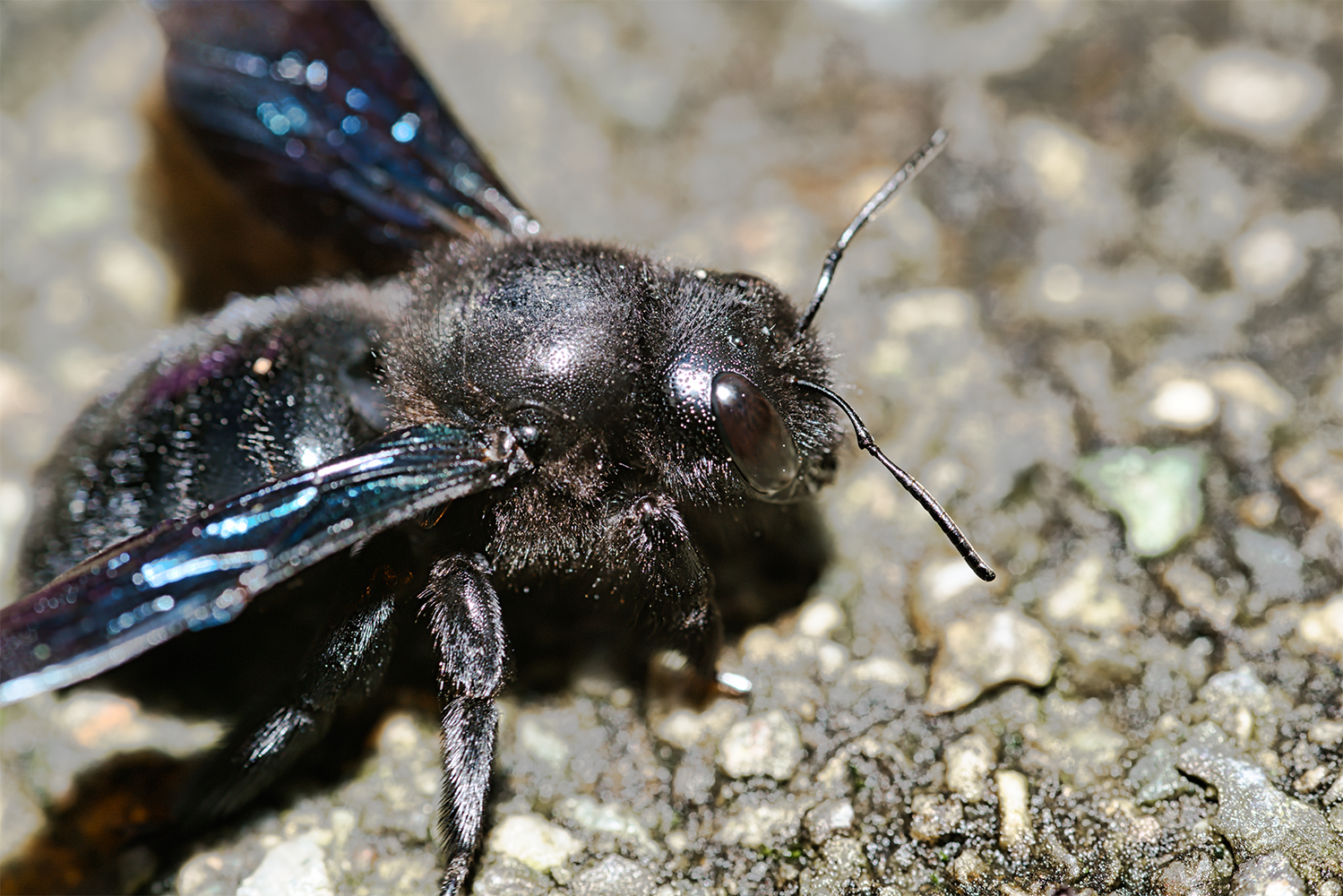
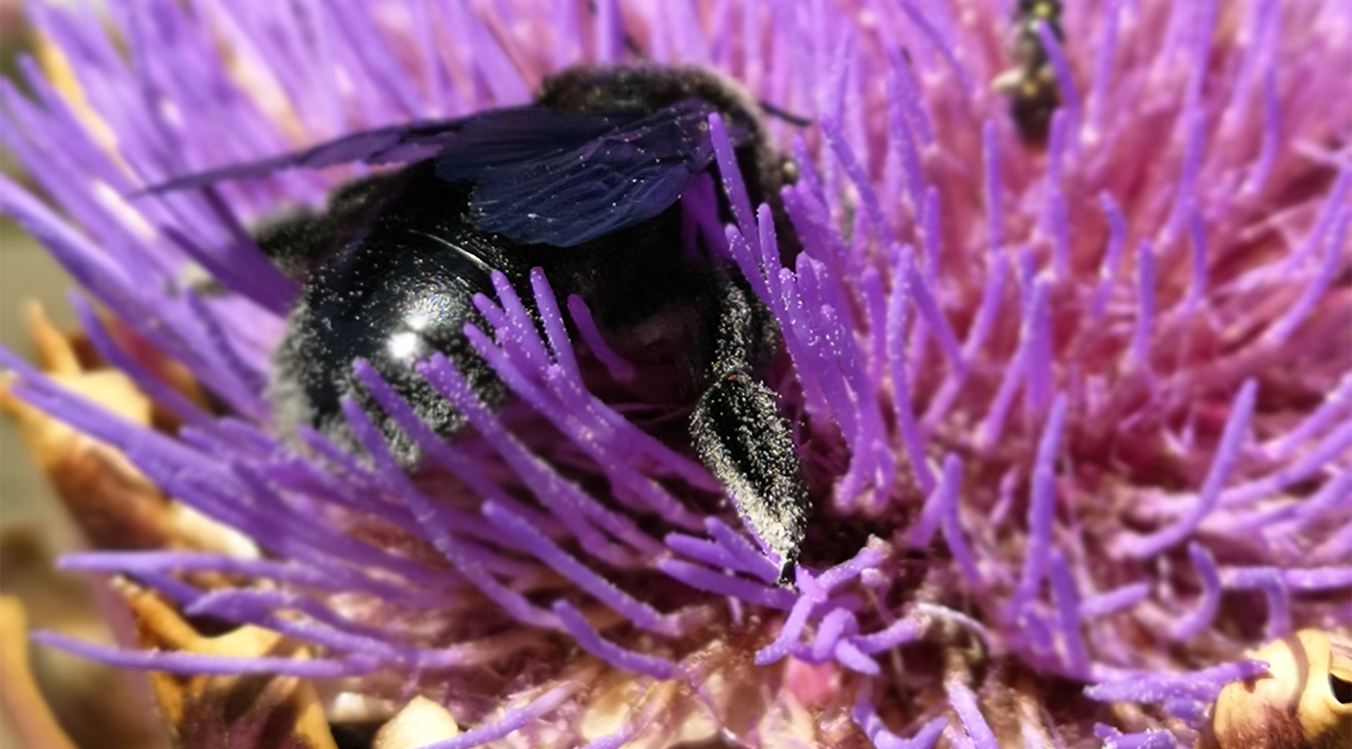
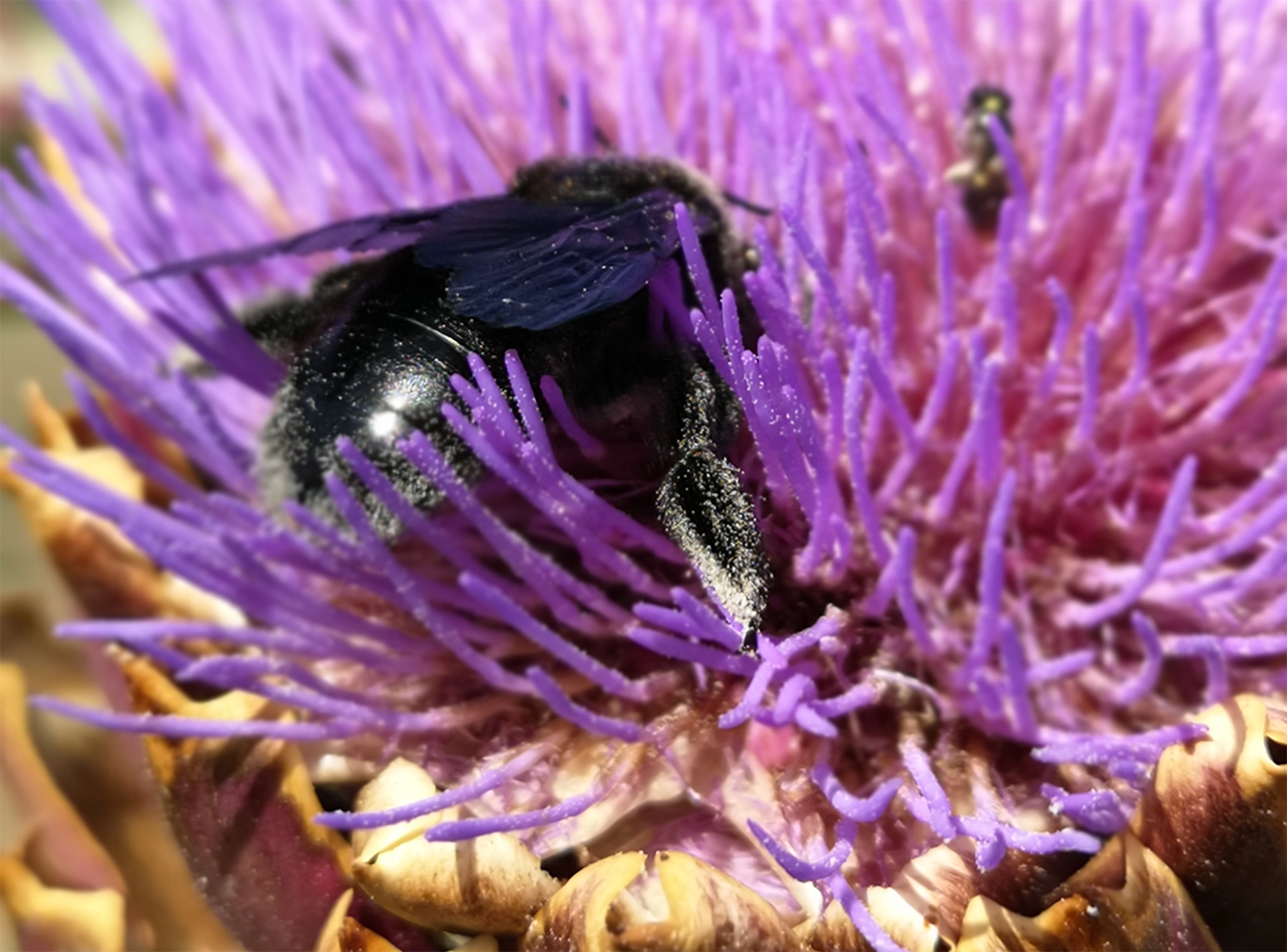
Carpenter bees (genus Xylocopa) are often mistaken for bumblebees because of their large size and buzzing behavior. However, a key difference is their smooth, shiny black abdomens—unlike the hairy abdomens of bumblebees. Female carpenter bees measure between 5/8 to 1 inch in length and can have a metallic blue or black sheen. Males are typically lighter in color, with golden or pale hair on the thorax, especially in species like the valley carpenter bee.


The Carpenter Bee Life Cycle


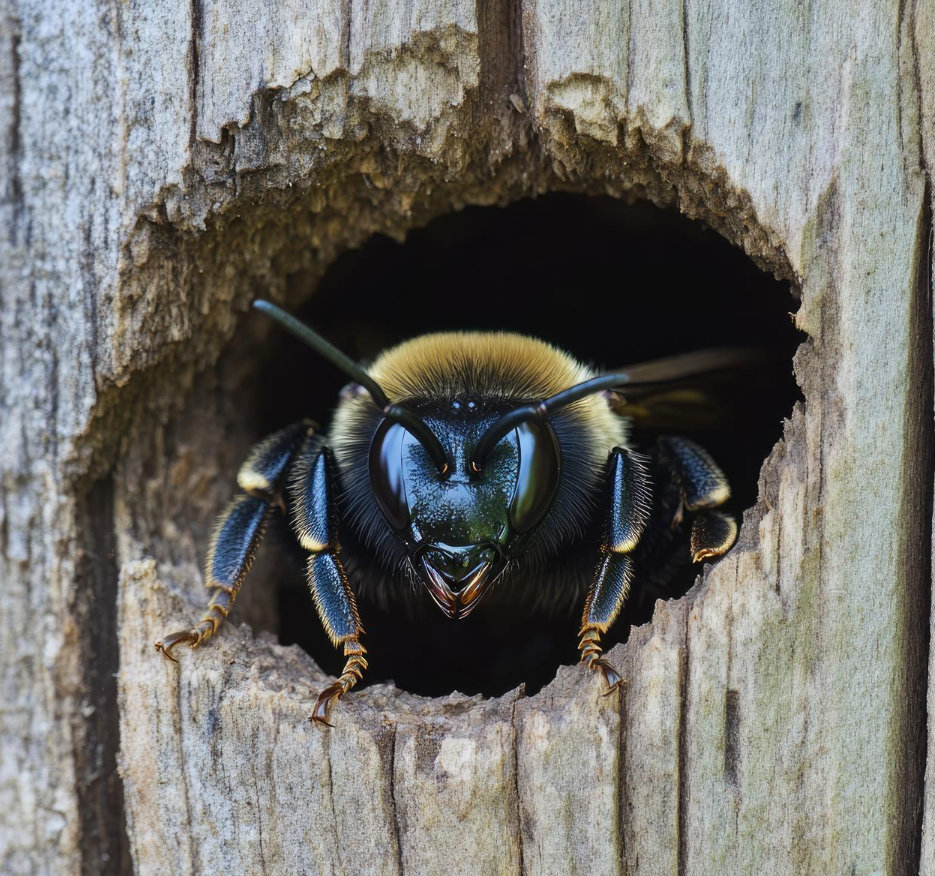
Female carpenter bees bore perfectly round entrance holes—about ½ inch in diameter—into untreated or unpainted wood to create their nesting galleries. These tunnels extend 6 to 10 inches and are divided into cells where each egg is laid alongside a pollen ball for nourishment.

Bees may reuse and expand old nesting tunnels, creating complex networks that can stretch up to 10 feet deep over time. After three months of development from egg to adult, new bees emerge in late summer, feed on pollen and nectar, and seek shelter in old tunnels through winter. The following spring, they re-emerge to mate and begin the nesting cycle again. Typically, there is one generation of carpenter bees per year.

Understanding Carpenter Bees: Identification, Life Cycle & Damage

Carpenter bees are a common nuisance for homeowners due to their nesting habits and noisy presence. Though they rarely cause serious structural damage, their ability to burrow into wood can lead to long-term issues if left untreated.

What Are Carpenter Bees?


Carpenter bees (genus Xylocopa) are often mistaken for bumblebees because of their large size and buzzing behavior. However, a key difference is their smooth, shiny black abdomens—unlike the hairy abdomens of bumblebees. Female carpenter bees measure between 5/8 to 1 inch in length and can have a metallic blue or black sheen. Males are typically lighter in color, with golden or pale hair on the thorax, especially in species like the valley carpenter bee.


The Carpenter Bee Life Cycle


Female carpenter bees bore perfectly round entrance holes—about ½ inch in diameter—into untreated or unpainted wood to create their nesting galleries. These tunnels extend 6 to 10 inches and are divided into cells where each egg is laid alongside a pollen ball for nourishment.

Bees may reuse and expand old nesting tunnels, creating complex networks that can stretch up to 10 feet deep over time. After three months of development from egg to adult, new bees emerge in late summer, feed on pollen and nectar, and seek shelter in old tunnels through winter. The following spring, they re-emerge to mate and begin the nesting cycle again. Typically, there is one generation of carpenter bees per year.

Do Carpenter Bees Cause Damage?


Yes, carpenter bees can cause cosmetic and structural damage to wooden buildings. Although they don’t consume wood like termites, their nesting activity weakens timbers and can lead to unsightly holes and staining from debris and waste. They prefer softwoods like southern yellow pine, cedar, redwood, Douglas fir, and cypress, especially if the wood is bare, weathered, or unpainted. Most hardwoods are naturally resistant.

Their presence can be alarming due to their buzzing and aggressive hovering. However, male carpenter bees are harmless—they can’t sting. Female carpenter bees have stingers but usually only sting when handled or threatened.

Protect Your Property from Carpenter Bee Damage

If you notice carpenter bees hovering near wooden surfaces or see round holes appearing in exterior structures, it’s time to take action. Preventative treatments, sealing exposed wood, and professional pest control services can help protect your home from ongoing damage.

Top Signs You Have a Carpenter Bee Infestation

Carpenter bees are expert wood borers and can quietly infest wooden structures around your home or business. While they may not be as obvious as other pests, there are several clear indicators of carpenter bee activity that homeowners should watch for. Here’s how to spot an infestation before it leads to more serious damage.

1. Persistent Buzzing Near Wood Surfaces

One of the first signs is an unusual buzzing sound coming from eaves, decks, or fences. This is not just any bee buzzing—it’s a low, constant drone caused by carpenter bees boring into wood. If you hear a humming near wooden trim or siding, it's time to investigate further.

2. Small Piles of Sawdust (Frass)

Carpenter bees don’t eat wood—they excavate it. As they drill into surfaces to form their tunnels, they push out fine sawdust-like shavings, known as frass. These small piles usually collect directly beneath the entry holes, often on porches, railings, or windowsills.

3. Perfectly Round Holes in Wood

Carpenter bees create smooth, round entry holes that are about ½ inch in diameter—roughly the size of a pencil eraser. These holes are typically found in soft, unpainted wood and serve as the entry point to their nesting tunnels. Multiple holes in one area suggest a growing infestation.

4. Hovering Bees Around Nesting Sites

Male carpenter bees, although harmless, are often seen hovering near entry holes in wood. They’re highly territorial and will patrol the area aggressively, especially during the mating season. If you notice large bees flying back and forth near your roofline or deck, it's a red flag.

5. Secondary Damage from Woodpeckers

If you’re seeing additional damage to wooden structures, such as pecking marks or larger holes, woodpeckers might be involved. These birds are drawn to carpenter bee nests to feed on the larvae inside, compounding the destruction caused by the bees themselves.

Act Quickly to Protect Your Property

Ignoring the signs of a carpenter bee infestation can lead to long-term structural damage and costly repairs. If you spot any of the above symptoms, contact a professional pest control service immediately to assess the situation and recommend effective carpenter bee removal solutions.

Do Carpenter Bees Cause Damage?

Yes, carpenter bees can cause cosmetic and structural damage to wooden buildings. Although they don’t consume wood like termites, their nesting activity weakens timbers and can lead to unsightly holes and staining from debris and waste. They prefer softwoods like southern yellow pine, cedar, redwood, Douglas fir, and cypress, especially if the wood is bare, weathered, or unpainted. Most hardwoods are naturally resistant.

Their presence can be alarming due to their buzzing and aggressive hovering. However, male carpenter bees are harmless—they can’t sting. Female carpenter bees have stingers but usually only sting when handled or threatened.


Protect Your Property from Carpenter Bee Damage

If you notice carpenter bees hovering near wooden surfaces or see round holes appearing in exterior structures, it’s time to take action. Preventative treatments, sealing exposed wood, and professional pest control services can help protect your home from ongoing damage.

Top Signs You Have a Carpenter Bee Infestation

Carpenter bees are expert wood borers and can quietly infest wooden structures around your home or business. While they may not be as obvious as other pests, there are several clear indicators of carpenter bee activity that homeowners should watch for. Here’s how to spot an infestation before it leads to more serious damage.

1. Persistent Buzzing Near Wood Surfaces

One of the first signs is an unusual buzzing sound coming from eaves, decks, or fences. This is not just any bee buzzing—it’s a low, constant drone caused by carpenter bees boring into wood. If you hear a humming near wooden trim or siding, it's time to investigate further.

2. Small Piles of Sawdust (Frass)

Carpenter bees don’t eat wood—they excavate it. As they drill into surfaces to form their tunnels, they push out fine sawdust-like shavings, known as frass. These small piles usually collect directly beneath the entry holes, often on porches, railings, or windowsills.

3. Perfectly Round Holes in Wood

Carpenter bees create smooth, round entry holes that are about ½ inch in diameter—roughly the size of a pencil eraser. These holes are typically found in soft, unpainted wood and serve as the entry point to their nesting tunnels. Multiple holes in one area suggest a growing infestation.

4. Hovering Bees Around Nesting Sites

Male carpenter bees, although harmless, are often seen hovering near entry holes in wood. They’re highly territorial and will patrol the area aggressively, especially during the mating season. If you notice large bees flying back and forth near your roofline or deck, it's a red flag.

5. Secondary Damage from Woodpeckers

If you’re seeing additional damage to wooden structures, such as pecking marks or larger holes, woodpeckers might be involved. These birds are drawn to carpenter bee nests to feed on the larvae inside, compounding the destruction caused by the bees themselves.

Act Quickly to Protect Your Property

Ignoring the signs of a carpenter bee infestation can lead to long-term structural damage and costly repairs. If you spot any of the above symptoms, contact a professional pest control service immediately to assess the situation and recommend effective carpenter bee removal solutions.

$59 Pest Control!

Call us Now! 561-769-3264

Testimonials

It looks like Brooks Pest is the “Real Deal”. I’ve been using them for several months now and so far we are happy customers. The customer service has been great. Technicians are on time and responsive. The attention to detail is great !

My technician went above and beyond explaining the different chemicals and products he was going to use. He exceeded my expectations. Cant wait to. Recommend this service to my neighbors and friends.

Each time I've had a tech come and do service, they were friendly and highly professional. Took time to explain the products they were using. Also fast and efficient not missing any details. I Would recommend.

Carpenter Bee Exterminator near me

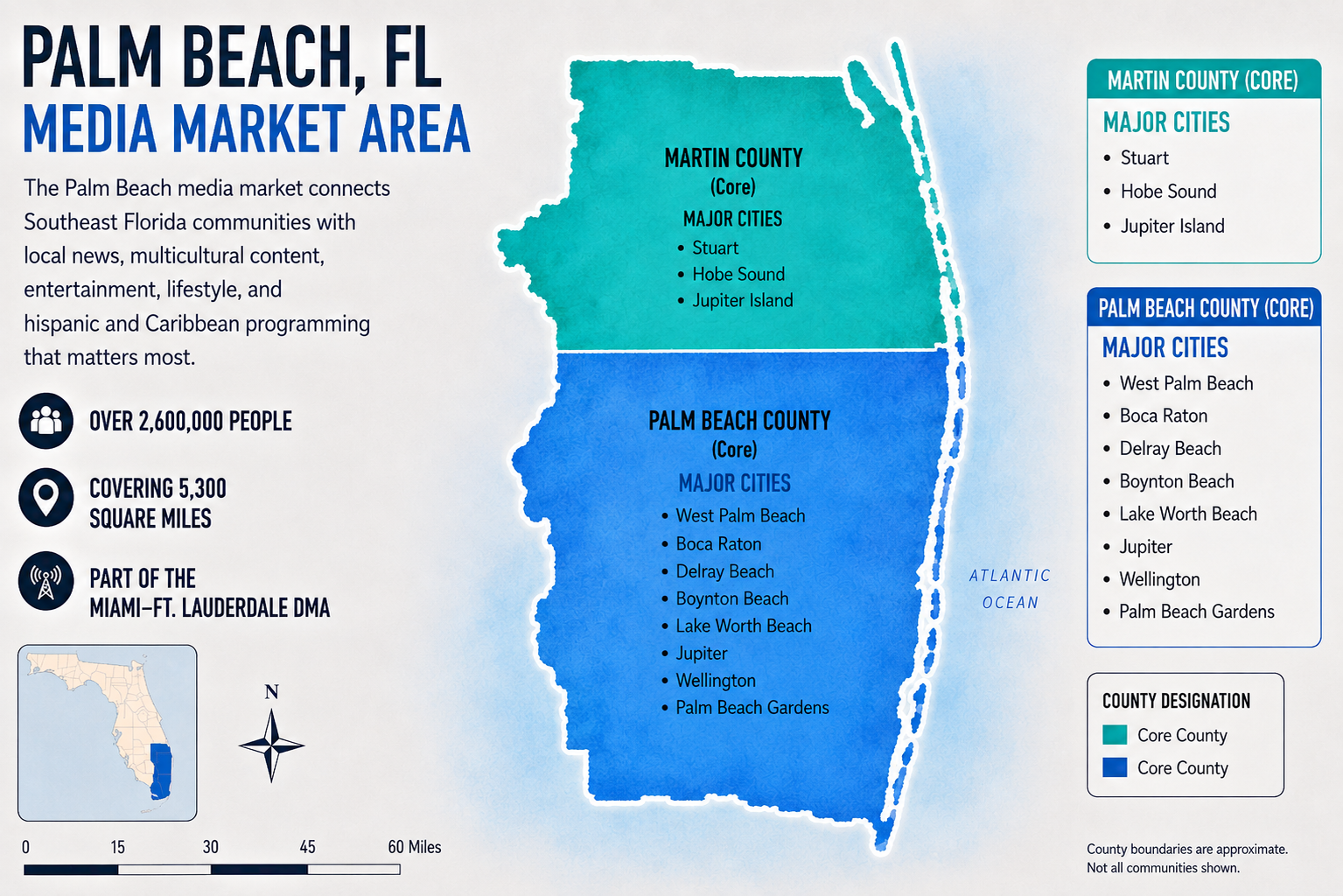
Serving The Palm Beach, FL, Metro and Surrounding Areas
West Palm Beach

Boca Raton

Boynton Beach

Delray Beach

Wellington

Jupiter


Palm Beach Gardens

The Acreage

Greenacres

Lake Worth

Royal Palm Beach

Riviera Beach


Palm Springs

Belle Glade

North Palm Beach

Jupiter Farms

Lantana

Palm Beach


Frequently Asked Questions

Find answers to common questions about pest control services in Palm Beach County. Our team is here to help you understand pest management and how we can assist you.

  • What areas does Brooks Pest Solutions serve in Palm Beach County?

    Brooks Pest Solutions provides pest control services for homes and businesses throughout the Palm Beach area. Contact our team with your ZIP code or address to confirm service availability in your community.
  • What are the most common pests in Palm Beach, Florida?

    Palm Beach's warm, humid climate can support pest activity throughout the year. Common concerns include cockroaches, ants, mosquitoes, termites, rodents, spiders, fleas, ticks, and other household pests.
  • Why do I have so many pests around my Palm Beach home?

    South Florida's heat, humidity, frequent rainfall, dense landscaping, and year-round growing season create favorable conditions for many pests. Moisture, standing water, food sources, and small openings around a home can make pest problems worse.
  • Does Brooks Pest Solutions offer year-round pest control in Palm Beach?

    Yes. Year-round pest management can be especially valuable in Palm Beach because many insects remain active during seasons when pest activity decreases in colder parts of the country.
  • How often should my Palm Beach home receive pest control?

    The recommended frequency depends on your property, surrounding environment, pest pressure, and the specific pests involved. Brooks Pest Solutions can recommend a treatment schedule based on the conditions found at your home.
  • Are pest control treatments safe around children and pets?

    Always tell your Brooks Pest Solutions technician about children, pets, allergies, or other household considerations. Your technician can explain the treatment being performed and provide any preparation, safety, or re-entry instructions that apply.

  • Do I need to leave my home during treatment?

    It depends on the type of pest problem and treatment being performed. If temporary evacuation or restricted access is necessary, your technician will provide instructions before service begins.

  • How can I prevent pests around my Palm Beach property?

    Eliminate standing water, repair plumbing leaks, keep food properly stored, seal gaps around doors and windows, maintain landscaping away from the structure, keep outdoor trash contained, and reduce clutter that can provide pest hiding places.

  • Can Brooks Pest Solutions help with cockroaches?

    Yes. Cockroaches thrive in South Florida's warm and humid conditions. Professional pest control can target existing activity while also identifying potential hiding places, moisture sources, and entry points.
  • Do you treat ants in Palm Beach homes?

    Yes. Palm Beach properties can experience several types of ant problems. Because different species may require different treatment approaches, identifying the ant and its nesting or foraging areas is an important first step.
  • Can you help with mosquitoes around my property?

    Contact Brooks Pest Solutions to learn about mosquito-control services available in your area. Reducing standing water and addressing areas where mosquitoes rest and breed can also help reduce activity around a property.
  • Should Palm Beach homeowners be concerned about termites?

    Yes. Florida's climate makes termite prevention and early detection especially important. Possible warning signs include mud tubes, discarded wings, damaged or hollow-sounding wood, and visible termite activity.
  • Does Brooks Pest Solutions handle rodents?

    Brooks Pest Solutions can evaluate rodent concerns and recommend appropriate solutions. Signs of rodents may include droppings, scratching noises, gnaw marks, damaged food packages, nesting material, and unusual odors.
  • What should I expect during my first pest control service?

    A technician can inspect your property for signs of pest activity, identify contributing conditions and possible entry points, discuss the findings with you, and recommend an appropriate treatment and prevention strategy.

  • How do I schedule pest control with Brooks Pest Solutions in Palm Beach?

    Contact Brooks Pest Solutions and provide your Palm Beach-area address along with details about the pest activity you've noticed. The team can confirm service availability and help determine the appropriate next step.

  • What should I do to prepare for my pest control service?

    Clear access to perimeter walls, move pet food bowls and toys inside, keep pets secured, and ensure any gates or backyard entry points are unlocked for your technician.

Safety and Treatment

Always tell your Brooks Pest Solutions technician about children, pets, allergies, or other household considerations. Your technician can explain the treatment being performed and provide any preparation, safety, or re-entry instructions that apply.

$59 Pest Control!

Call us Now! 561-769-3264