Call Us Now! 305-419-2484

Open 7 Days a Week - Available After Hours

Gopher Extermination Miami Metro, FL, and All Surrounding Areas

Gopher Extermination

$59 Pest Control!

*$59 initial pest control service

Choose Us for Pest Control

  • Satisfaction Guarantee
  • Pet and Eco Friendly
  • Award Winning Service
  • Family Owned & Operated
  • Call Before Noon for Same Day Service
  • Free Re-treatment When Applicable
  • Licensed, Bonded, Insured

$59 Pest Control!

Call us Now! 305-419-2484

Understanding Gophers: Nature’s Burrowing Rodents

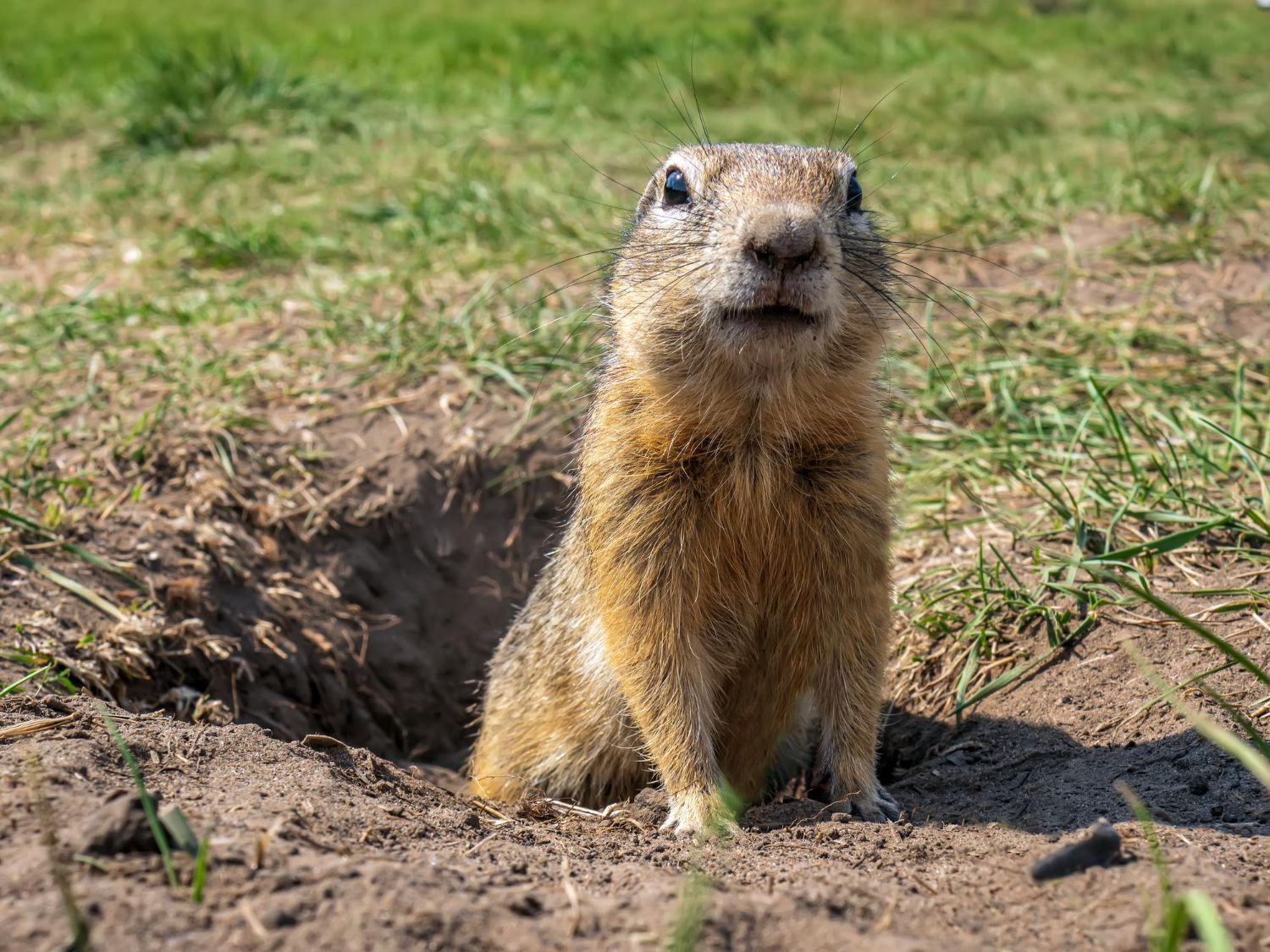
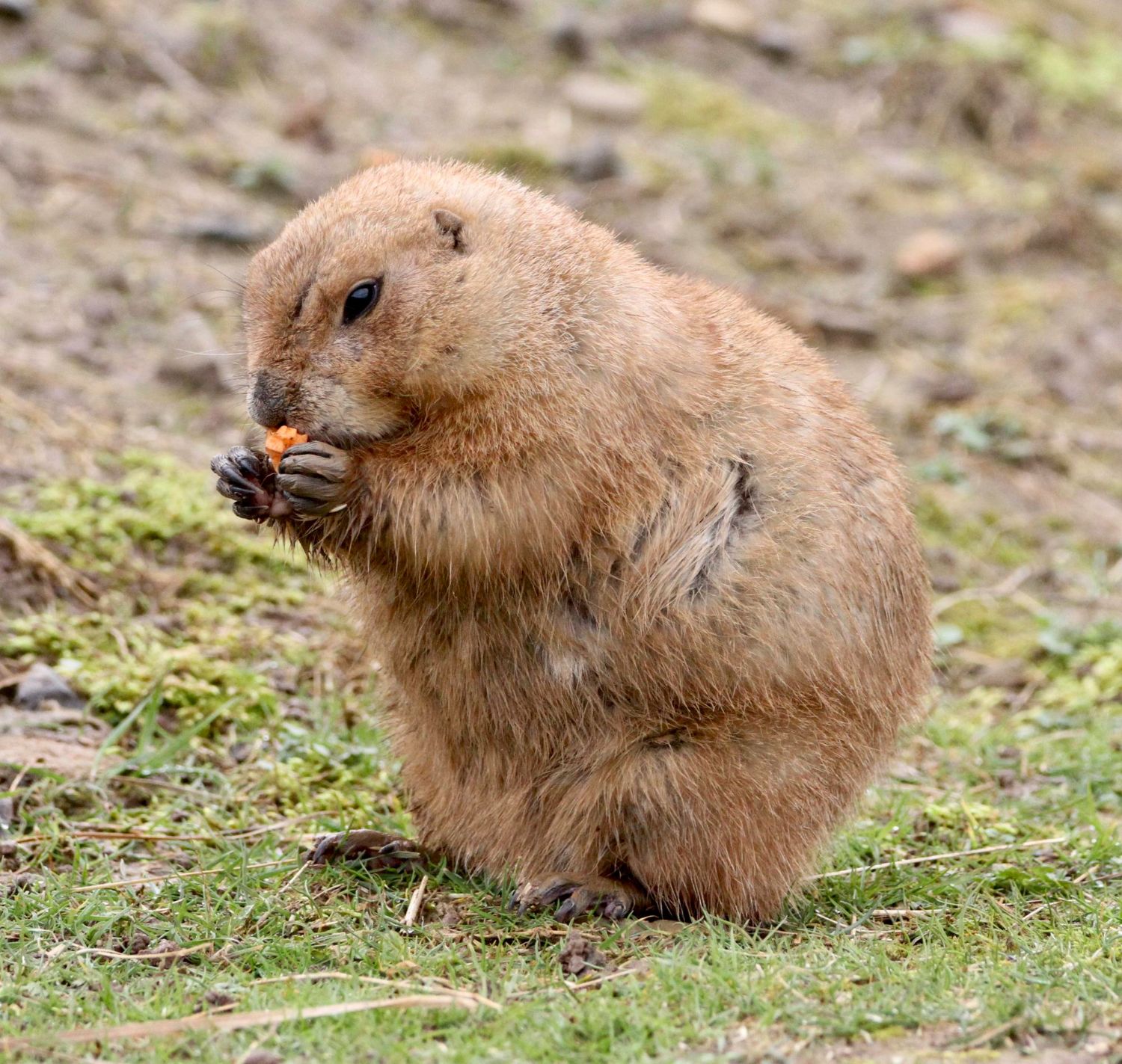
Gophers are fascinating burrowing rodents known for their unique fur-lined cheek pouches, which they use to transport plant materials while foraging underground. These small creatures are perfectly adapted to life below the surface, featuring clawed front paws for digging, compact eyes and ears for navigating tight spaces, and sensitive whiskers and tails for maneuvering in the dark. A particularly remarkable trait is their ability to close their lips behind their large incisors, allowing them to dig with their teeth without swallowing dirt. Gophers typically range in size from 5 to 14 inches in length.

Gopher Removal

The Botta’s Pocket Gopher

The Botta's Pocket Gopher, also called the Valley Pocket Gopher, is the most common species found across the United States. These gophers thrive in a variety of habitats, particularly where soils are soft enough for tunneling and tuberous roots or other plant matter are readily available.


Gopher Tunneling Habits

Gophers are especially active during the spring and fall, constructing extensive underground tunnels that are typically 4 to 18 inches below the surface. These tunnels often serve as both feeding and nesting areas, contributing to their complex subterranean lifestyle.


Why Gophers Are a Problem

Although they play a role in aerating the soil, gophers can cause significant damage to gardens, lawns, and agricultural fields. Their tunneling disrupts plant roots, leading to the destruction of crops and landscaping. Additionally, their mounds can create unsightly damage and pose tripping hazards.


Understanding Gophers: Nature’s Burrowing Rodents

Gophers are fascinating burrowing rodents known for their unique fur-lined cheek pouches, which they use to transport plant materials while foraging underground. These small creatures are perfectly adapted to life below the surface, featuring clawed front paws for digging, compact eyes and ears for navigating tight spaces, and sensitive whiskers and tails for maneuvering in the dark. A particularly remarkable trait is their ability to close their lips behind their large incisors, allowing them to dig with their teeth without swallowing dirt. Gophers typically range in size from 5 to 14 inches in length.

Gopher Removal

The Botta’s Pocket Gopher

The Botta's Pocket Gopher, also called the Valley Pocket Gopher, is the most common species found across the United States. These gophers thrive in a variety of habitats, particularly where soils are soft enough for tunneling and tuberous roots or other plant matter are readily available.


Gopher Tunneling Habits

Gophers are especially active during the spring and fall, constructing extensive underground tunnels that are typically 4 to 18 inches below the surface. These tunnels often serve as both feeding and nesting areas, contributing to their complex subterranean lifestyle.


Why Gophers Are a Problem

Although they play a role in aerating the soil, gophers can cause significant damage to gardens, lawns, and agricultural fields. Their tunneling disrupts plant roots, leading to the destruction of crops and landscaping. Additionally, their mounds can create unsightly damage and pose tripping hazards.


Need Help with Gophers?

If gophers are wreaking havoc on your property, our professional pest control services can help. We offer effective, humane solutions to manage gopher populations and protect your lawn, garden, or agricultural space.

Need Help with Gophers?

If gophers are wreaking havoc on your property, our professional pest control services can help. We offer effective, humane solutions to manage gopher populations and protect your lawn, garden, or agricultural space.

Protect Your Yard with Professional Gopher Removal Services

Gophers, commonly known as pocket gophers, can cause extensive damage to your lawn or garden. These burrowing rodents create intricate tunnel systems that span hundreds of feet underground, disrupting landscapes, damaging vegetation, and leading to costly repairs. Acting quickly is key—if you suspect a gopher infestation, contacting gopher removal specialists can save your property from further destruction.


Protect Your Yard with Professional Gopher Removal Services

Gophers, commonly known as pocket gophers, can cause extensive damage to your lawn or garden. These burrowing rodents create intricate tunnel systems that span hundreds of feet underground, disrupting landscapes, damaging vegetation, and leading to costly repairs. Acting quickly is key—if you suspect a gopher infestation, contacting gopher removal specialists can save your property from further destruction.


4 Signs You Might Have a Gopher Problem

Although gophers are rarely seen above ground, the damage they cause is unmistakable. Here are four telltale signs of gopher activity:
Horseshoe-Shaped Mounds: Look for mounds of dirt in your lawn or garden, often shaped like a horseshoe, near gopher burrows.
Barren Patches: Gopher activity often results in patches of dead grass and plants around their burrowing sites.

Damaged Plants and Trees:  Gophers feed on roots and tubers, causing wilting or dying vegetation, including shrubs and trees.

Restless Pets: Pets may become unusually agitated or restless, sensing gopher activity below the surface.


Why Choose Professional Gopher Removal

Gophers are relentless diggers that can wreak havoc on your property. Their tunnels not only damage lawns and gardens but can also disrupt underground utilities like irrigation systems, cables, and pipes. Hiring professional gopher removal services ensures effective and lasting results.

4 Signs You Might Have a Gopher Problem

Although gophers are rarely seen above ground, the damage they cause is unmistakable. Here are four telltale signs of gopher activity:
Horseshoe-Shaped Mounds:
Look for mounds of dirt in your lawn or garden, often shaped like a horseshoe, near gopher burrows.
Barren Patches:
Gopher activity often results in patches of dead grass and plants around their burrowing sites.

Damaged Plants and Trees:  Gophers feed on roots and tubers, causing wilting or dying vegetation, including shrubs and trees.

Restless Pets: Pets may become unusually agitated or restless, sensing gopher activity below the surface.


Why Choose Professional Gopher Removal

Gophers are relentless diggers that can wreak havoc on your property. Their tunnels not only damage lawns and gardens but can also disrupt underground utilities like irrigation systems, cables, and pipes. Hiring professional gopher removal services ensures effective and lasting results.

Understanding the Gopher’s Habitat

Gophers thrive in environments with loose, sandy soil and abundant vegetation, making lawns, gardens, and crop fields ideal for their burrowing activities. These rodents create extensive underground tunnel systems, often leaving unsightly dirt mounds on the surface as they dig. While gophers are considered pests in residential and agricultural settings, they play an important ecological role in natural habitats such as the Great Plains.

How Gophers Benefit the Ecosystem

Soil Aeration: By moving significant amounts of soil, gophers improve soil aeration, which promotes plant growth and enhances soil health.

Water Management: Their tunnels capture rainwater and snowmelt, reducing surface runoff and preventing erosion.


Habitat Creation: Abandoned gopher tunnels provide shelter for other species, while the organic matter left behind enriches the soil with nutrients.

Despite these benefits, gophers in residential areas can cause significant damage to landscaping, gardens, and underground utilities, making management essential.


What Do Gophers Eat?


Gophers are herbivores with a diet that primarily consists of plants, roots, and tubers. They target above-ground vegetation and dig for underground food sources, often damaging crops, gardens, and ornamental plants in the process.


How Their Diet Shapes Their Teeth

Gophers’ teeth are specialized for their vegetarian lifestyle:

Incisors: Continuously growing incisors allow them to chew through tough, gritty materials like roots and stems without wearing down.

Molars and Premolars: Flattened teeth designed for grinding vegetation make them highly efficient at processing their plant-based diet.

Understanding the Gopher’s Habitat

Gophers thrive in environments with loose, sandy soil and abundant vegetation, making lawns, gardens, and crop fields ideal for their burrowing activities. These rodents create extensive underground tunnel systems, often leaving unsightly dirt mounds on the surface as they dig. While gophers are considered pests in residential and agricultural settings, they play an important ecological role in natural habitats such as the Great Plains.

How Gophers Benefit the Ecosystem

Soil Aeration: By moving significant amounts of soil, gophers improve soil aeration, which promotes plant growth and enhances soil health.

Water Management: Their tunnels capture rainwater and snowmelt, reducing surface runoff and preventing erosion.


Habitat Creation: Abandoned gopher tunnels provide shelter for other species, while the organic matter left behind enriches the soil with nutrients.

Despite these benefits, gophers in residential areas can cause significant damage to landscaping, gardens, and underground utilities, making management essential.


What Do Gophers Eat?


Gophers are herbivores with a diet that primarily consists of plants, roots, and tubers. They target above-ground vegetation and dig for underground food sources, often damaging crops, gardens, and ornamental plants in the process.


How Their Diet Shapes Their Teeth

Gophers’ teeth are specialized for their vegetarian lifestyle:

Incisors: Continuously growing incisors allow them to chew through tough, gritty materials like roots and stems without wearing down.

Molars and Premolars: Flattened teeth designed for grinding vegetation make them highly efficient at processing their plant-based diet.

$59 Pest Control!

Call us Now! 305-419-2484

Gopher Pest Control

What Damages are caused by Gophers?

The Hidden Dangers of Gophers in Your Yard

While gophers are solitary by nature, even a single gopher can cause significant damage to your yard and property. Capable of creating over 200 mounds annually, their relentless digging and feeding habits lead to a range of issues, from landscape destruction to structural damage.


Landscape Damage

Gophers’ feeding habits vary by season, targeting different plant materials throughout the year. During the growing season, they consume above-ground plants, using dense foliage as cover from predators. In fall and winter, they shift to feeding on roots, causing extensive harm to trees and other plants.


Key Impacts on Landscaping:

  • Tree and Plant Damage: Gophers prune roots, girdle stems, and expose root systems, which can weaken or kill trees and plants.
  • Seedling Vulnerability: Young plants are especially at risk, as gophers often clip their roots, preventing proper growth.


Structural Damage

Gophers’ tunneling can have severe implications for the integrity of underground structures and utilities.

How Gophers Cause Structural Issues:

Utility Damage: They gnaw through underground cables, wires, and irrigation pipes, disrupting essential services.

Weakened Infrastructure: Their tunnels can destabilize ditch banks and earthen dams, leading to water loss, pipe damage, and even complete structural failure.
Habitat Alteration

Gophers significantly impact ecosystems by altering vegetation and soil composition.

Effects on Habitat:

Vegetation Loss: By consuming plants and covering forage with their mounds, gophers can shift the balance of species in rangelands.

Invasive Plant Growth: Their mounds create ideal seedbeds for invasive plants, further altering the natural ecosystem.

Irrigation Challenges: Gopher tunnels can lead to water loss in irrigated areas, undermining farming and landscaping efforts.

Plants at Risk

Gophers pose the greatest threat to tap-rooted plants, often killing or severely weakening them. However, plants with multiple large roots tend to be more resilient. Interestingly, some ponderosa pines have evolved natural resistance to gopher damage, showcasing nature's way of balancing this persistent threat.

Gopher Pest Control

What Damages are caused by Gophers?

The Hidden Dangers of Gophers in Your Yard

While gophers are solitary by nature, even a single gopher can cause significant damage to your yard and property. Capable of creating over 200 mounds annually, their relentless digging and feeding habits lead to a range of issues, from landscape destruction to structural damage.


Landscape Damage

Gophers’ feeding habits vary by season, targeting different plant materials throughout the year. During the growing season, they consume above-ground plants, using dense foliage as cover from predators. In fall and winter, they shift to feeding on roots, causing extensive harm to trees and other plants.


Key Impacts on Landscaping:

  • Tree and Plant Damage: Gophers prune roots, girdle stems, and expose root systems, which can weaken or kill trees and plants.
  • Seedling Vulnerability: Young plants are especially at risk, as gophers often clip their roots, preventing proper growth.


Structural Damage

Gophers’ tunneling can have severe implications for the integrity of underground structures and utilities.

How Gophers Cause Structural Issues:

Utility Damage: They gnaw through underground cables, wires, and irrigation pipes, disrupting essential services.

Weakened Infrastructure: Their tunnels can destabilize ditch banks and earthen dams, leading to water loss, pipe damage, and even complete structural failure.
Habitat Alteration

Gophers significantly impact ecosystems by altering vegetation and soil composition.

Effects on Habitat:

Vegetation Loss: By consuming plants and covering forage with their mounds, gophers can shift the balance of species in rangelands.

Invasive Plant Growth: Their mounds create ideal seedbeds for invasive plants, further altering the natural ecosystem.

Irrigation Challenges: Gopher tunnels can lead to water loss in irrigated areas, undermining farming and landscaping efforts.

Plants at Risk

Gophers pose the greatest threat to tap-rooted plants, often killing or severely weakening them. However, plants with multiple large roots tend to be more resilient. Interestingly, some ponderosa pines have evolved natural resistance to gopher damage, showcasing nature's way of balancing this persistent threat.

Testimonials

It looks like Brooks Pest is the “Real Deal”. I’ve been using them for several months now and so far we are happy customers. The customer service has been great. Technicians are on time and responsive. The attention to detail is great !

My technician went above and beyond explaining the different chemicals and products he was going to use. He exceeded my expectations. Cant wait to. Recommend this service to my neighbors and friends.

Each time I've had a tech come and do service, they were friendly and highly professional. Took time to explain the products they were using. Also fast and efficient not missing any details. I Would recommend.

Gopher Exterminator near me

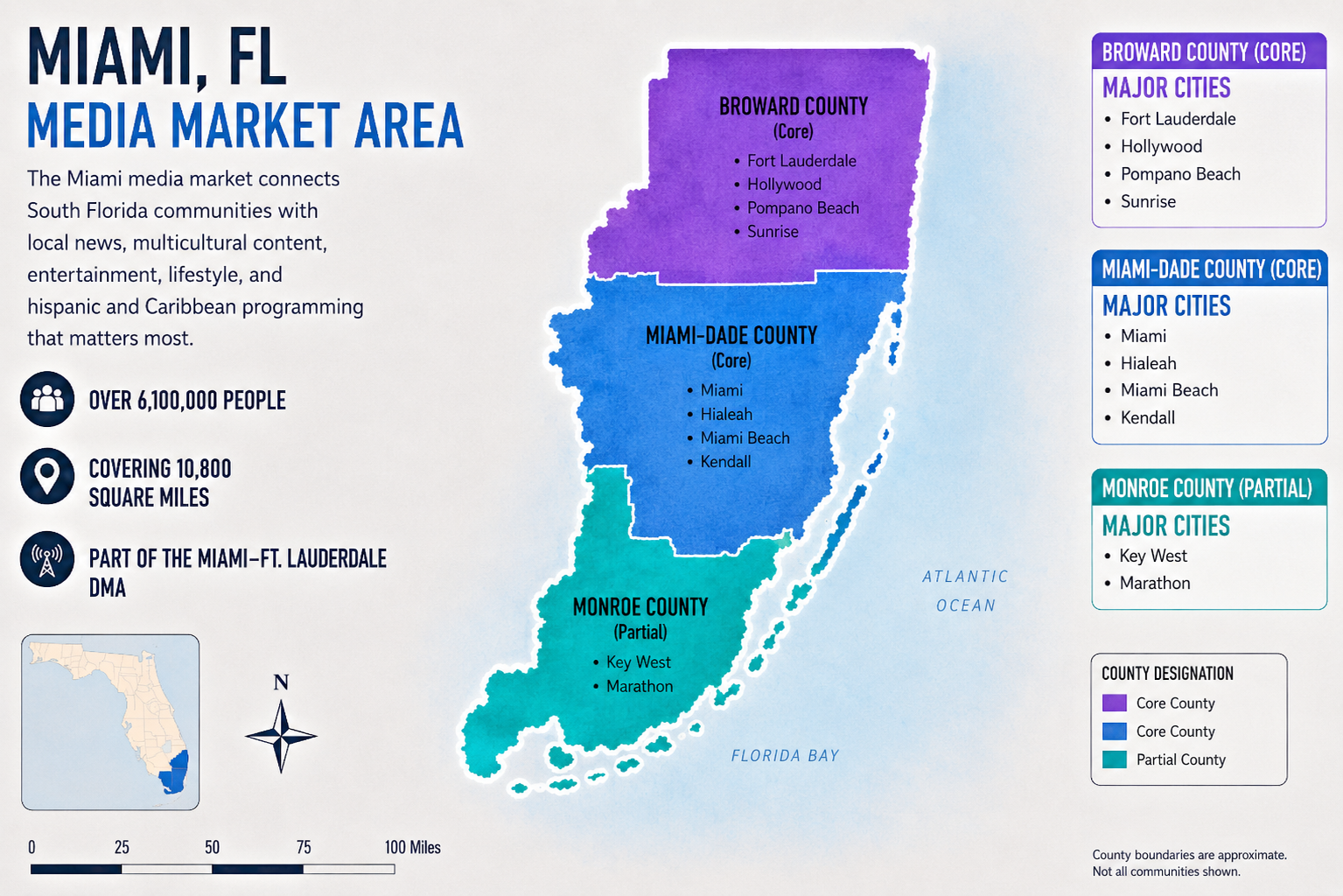
Serving the Miami, FL, Metro and all Surrounding Areas
Miami

Hialeah

Miami Gardens

Miami Beach

Kendall

Homestead

Fountainebleau

North Miami


Kendale Lakes

Tamiami

The Hammocks

Country Club

Doral

North Miami Beach

Cutler Bay


Kendall West

Aventura

South Miami Heights

West Little River

Golden Glades

Richmond West

Westchester

Miami Lakes


Frequently Asked Questions

Find answers to common questions about pest control services in the Miami area.

  • What areas does Brooks Pest Solutions serve in the Miami DMA?

    Brooks Pest Solutions provides pest control services throughout the Miami DMA, including communities across Miami-Dade and Broward County. Contact our team to confirm service availability for your specific address.
  • What pests are most common in the Miami area?

    South Florida's warm, humid climate can support pest activity throughout the year. Common problems include ants, cockroaches, mosquitoes, spiders, rodents, termites, fleas, ticks, and other household pests.
  • Why are pests such a year-round problem in Miami?

    Miami's subtropical climate provides warmth, moisture, and food sources that allow many pests to remain active throughout the year. Heavy rainfall and high humidity can also drive insects and rodents toward homes and businesses.
  • How often should I schedule pest control in Miami?

    The ideal treatment schedule depends on your property, pest pressures, and the type of infestation. Because pests can remain active year-round in South Florida, routine preventative pest control can help stop problems before they become established.
  • Does Brooks Pest Solutions offer residential pest control?

    Yes. Brooks Pest Solutions helps homeowners protect their properties from common household pests. A treatment plan can be tailored to the pest activity and conditions around your home.
  • What can I do to prevent pests between professional treatments?

    Keep food sealed, clean spills and crumbs promptly, repair leaks, remove standing water, keep landscaping maintained, seal potential entry points, and avoid allowing clutter to accumulate around the home.


  • What should I expect during my first pest control visit?

    A technician can evaluate the property, identify signs of pest activity and contributing conditions, discuss the findings with you, and recommend an appropriate treatment or prevention plan.

  • Can you help with cockroaches in Miami homes?

    Yes. Cockroaches are especially common in South Florida because they thrive in warm, humid environments. Professional treatment can target active roaches while addressing the areas where they hide, feed, and enter the home.
  • Can Brooks Pest Solutions treat ants?

    Yes. Different ant species can require different treatment strategies. Identifying the type of ant and locating nesting or entry areas helps determine the appropriate approach.
  • Do you provide mosquito control?

    Contact Brooks Pest Solutions to ask about mosquito-control options available at your Miami-area property. Mosquito activity can be especially noticeable around standing water, shaded landscaping, and other moisture-rich areas.
  • What should I do if I see signs of rodents?

    Droppings, scratching noises, gnaw marks, damaged food packaging, and unusual odors can indicate rodent activity. If you notice these signs, schedule an inspection so the problem and possible entry points can be evaluated.
  • Do Miami homes need termite inspections?

    South Florida's climate makes termites an important concern for property owners. If you notice discarded wings, mud tubes, damaged wood, or other possible termite evidence, arrange a professional inspection rather than waiting for the damage to become more extensive.
  • Is pest control safe for homes with children and pets?

    Tell your Brooks Pest Solutions technician about children, pets, allergies, or other household considerations before treatment. Your technician can explain the products being used and any preparation or re-entry instructions that apply.

  • Do I need to leave my home during pest treatment?

    That depends on the service and products required. Your technician will provide specific instructions before treatment if you need to leave the property or avoid a treated area temporarily.

  • How do I schedule pest control with Brooks Pest Solutions in the Miami area?

    Contact Brooks Pest Solutions to request service and provide your Miami-area address, the type of pest you've noticed, and where you're seeing activity. The team can confirm service availability and discuss the appropriate next steps.

Additional Information

For more questions or to schedule a service, feel free to reach out to our team at Brooks Pest Solutions.

$59 Pest Control!

Call us Now! 305-419-2484