Call Us Now! 813-592-7251

Open 7 Days a Week - Available After Hours

Tick Extermination Tampa Metro and Surrounding Areas

$59 Pest Control!
*$59 initial pest control service

Choose Us for Pest Control

  • Satisfaction Guarantee
  • Pet and Eco Friendly
  • Award Winning Service
  • Family Owned & Operated
  • Call Before Noon for Same Day Service
  • Free Re-treatment When Applicable
  • Licensed, Bonded, Insured

$59 Pest Control!

Call us Now! 813-592-7251

Tick Pest Control

Understanding Wood Ticks

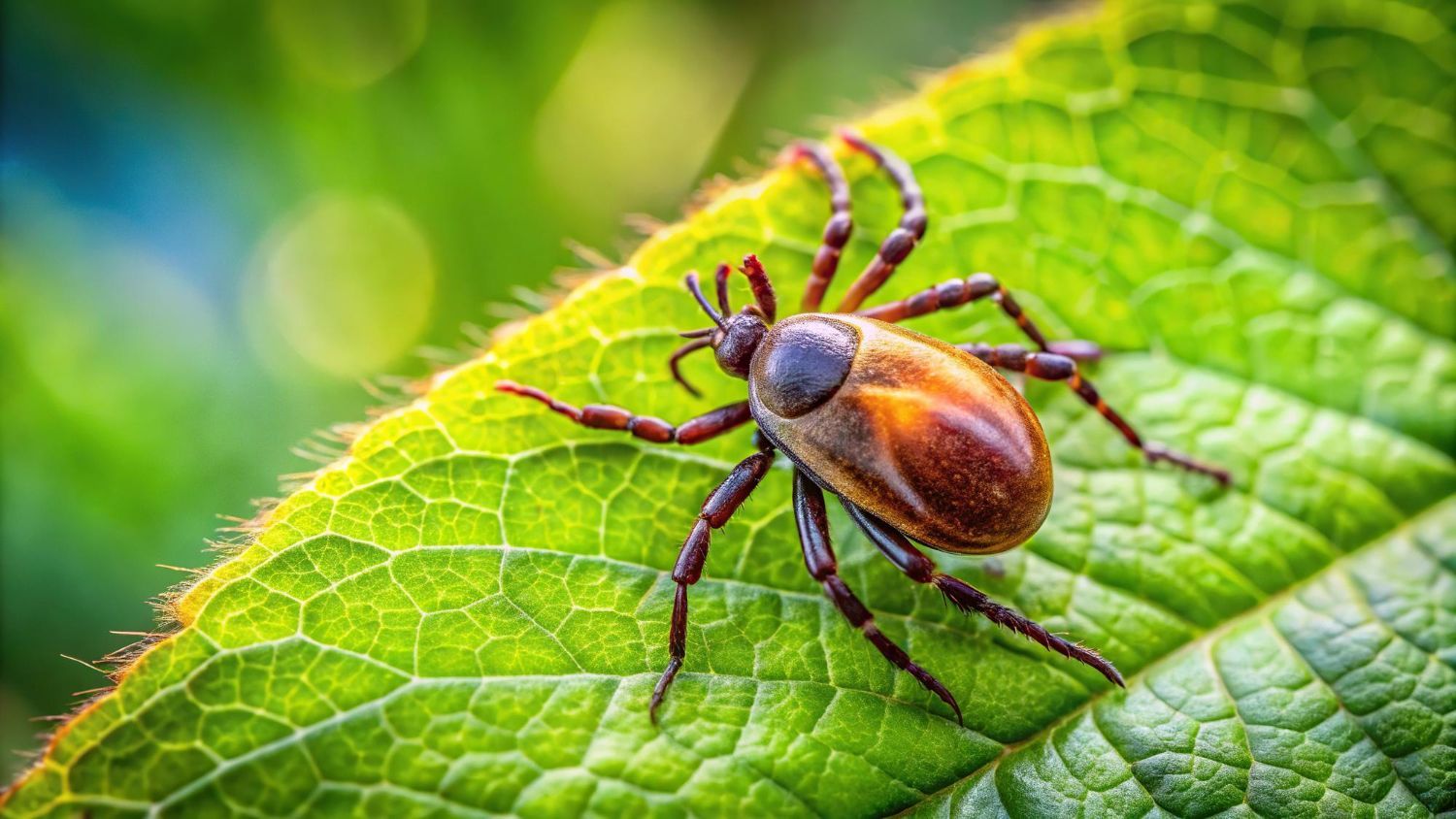
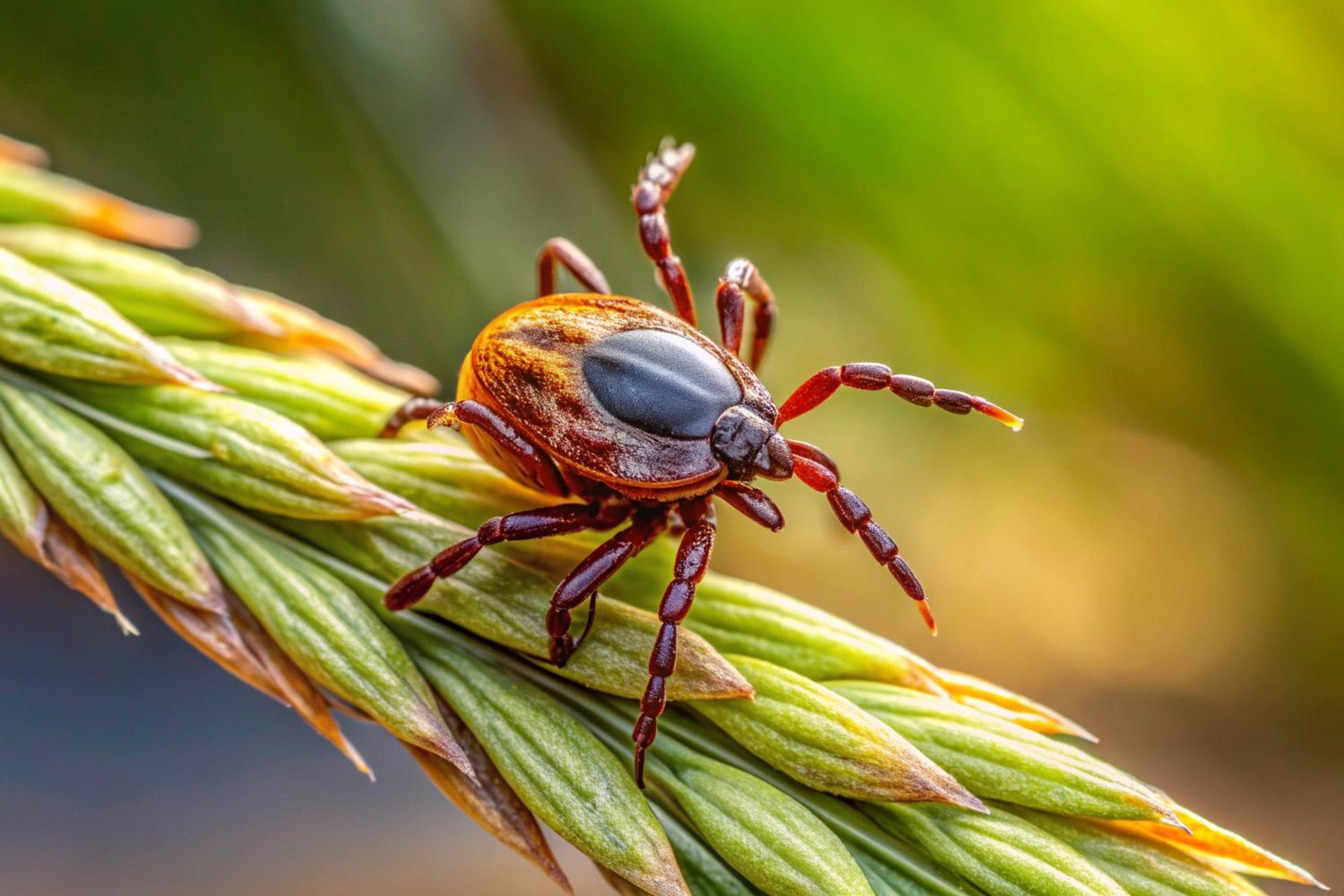
Wood ticks, also called American dog ticks, are a common species found in wooded areas. These arachnids are reddish-brown in color, have eight legs, and are larger than many other tick species. Female wood ticks can grow up to the size of a small grape when engorged, while males remain smaller.

Tick Pest Control

Understanding Wood Ticks

Wood ticks, also called American dog ticks, are a common species found in wooded areas. These arachnids are reddish-brown in color, have eight legs, and are larger than many other tick species. Female wood ticks can grow up to the size of a small grape when engorged, while males remain smaller.


Health Risks Associated with Wood Ticks

Wood ticks are known carriers of several diseases that can affect both humans and animals, including:

  • Rocky Mountain Spotted Fever
  • Tularemia
  • Tick Paralysis

Because of these risks, it’s crucial to take precautions when spending time in tick-prone areas.

Health Risks Associated with Wood Ticks

Wood ticks are known carriers of several diseases that can affect both humans and animals, including:

  • Rocky Mountain Spotted Fever
  • Tularemia
  • Tick Paralysis

Because of these risks, it’s crucial to take precautions when spending time in tick-prone areas.

$59 Pest Control!

Call us Now! 813-592-7251

What Do Ticks Eat?

Ticks are parasitic arachnids that rely on the blood of their hosts for nourishment. Their sharp mouthparts are designed to pierce the skin, allowing them to attach securely and feed on their host’s blood.

The Tick Life Cycle and Feeding Habits

Ticks undergo a complex life cycle consisting of several stages:

Larvae: After hatching, tick larvae usually feed on small mammals or birds, such as mice or sparrows.
Nymphs:
  As they mature, nymphs seek larger hosts like deer, dogs, or other medium-sized animals to feed on.

Adults:  Adult ticks, the most likely stage to attach to humans, dogs, or other large mammals, require a blood meal to reproduce.

How Ticks Obtain Nutrients

Unlike traditional feeding behaviors, ticks obtain all their nutrients from blood. Once they have completed a feeding, ticks can survive for extended periods without another meal—sometimes up to a year or more, depending on the species and life stage.

Ticks and Disease Transmission

Ticks are known carriers of several diseases that can be transmitted during feeding, including:

  • Lyme Disease
  • Rocky Mountain Spotted Fever
  • Ehrlichiosis

These illnesses make it crucial to take precautions when spending time in tick-prone areas and to perform thorough tick checks on yourself and your pets after outdoor activities.

What Do Ticks Eat?

Ticks are parasitic arachnids that rely on the blood of their hosts for nourishment. Their sharp mouthparts are designed to pierce the skin, allowing them to attach securely and feed on their host’s blood.

The Tick Life Cycle and Feeding Habits

Ticks undergo a complex life cycle consisting of several stages:

Larvae: After hatching, tick larvae usually feed on small mammals or birds, such as mice or sparrows.
Nymphs: As they mature, nymphs seek larger hosts like deer, dogs, or other medium-sized animals to feed on.

Adults: Adult ticks, the most likely stage to attach to humans, dogs, or other large mammals, require a blood meal to reproduce.


How Ticks Obtain Nutrients

Unlike traditional feeding behaviors, ticks obtain all their nutrients from blood. Once they have completed a feeding, ticks can survive for extended periods without another meal—sometimes up to a year or more, depending on the species and life stage.


Ticks and Disease Transmission

Ticks are known carriers of several diseases that can be transmitted during feeding, including:

  • Lyme Disease
  • Rocky Mountain Spotted Fever
  • Ehrlichiosis

These illnesses make it crucial to take precautions when spending time in tick-prone areas and to perform thorough tick checks on yourself and your pets after outdoor activities.

How do I get rid of ticks?

Ticks are a common concern in outdoor spaces, but there are effective steps you can take to protect yourself, your family, and your pets.

Steps to Prevent and Remove Ticks

Wear Protective Clothing

When venturing into areas where ticks are common, wear long-sleeved shirts and pants.

Tuck your pants into your socks to create a barrier that prevents ticks from crawling onto your skin.

Apply Tick Repellent

Use repellents containing DEET, picaridin, or permethrin on your skin and clothing to repel ticks and minimize the risk of bites.

Perform Thorough Tick Checks

After outdoor activities, carefully inspect yourself, your children, and your pets for ticks.

Focus on hidden areas such as the scalp, behind the ears, under the arms, and in the groin area.

Remove Ticks Promptly

If you find a tick attached to your skin, use fine-tipped tweezers to grasp it as close to the skin as possible.

Pull the tick straight out with steady, even pressure. Avoid twisting or jerking, as this may leave parts of the tick embedded in the skin.

Dispose of Ticks Safely

Place the tick in a sealed container or flush it down the toilet.

Avoid crushing ticks with your fingers, as this can increase the risk of infection.

Treat Your Yard and Pets

For ongoing tick problems, consider professional insecticide treatments for your yard.

Consult your veterinarian for tick prevention solutions for your pets, such as collars or topical treatments.

Stay Alert to Tick-Borne Illnesses

Ticks can carry diseases like Lyme disease and Rocky Mountain spotted fever. If you develop symptoms such as fever, headache, fatigue, or a rash after a tick bite, seek medical attention promptly.

Need Help with Tick Control?
If ticks are a recurring issue on your property or pets, our professional exterminators can help. Call us today for effective tick removal and prevention services!

How do I get rid of ticks?

Ticks are a common concern in outdoor spaces, but there are effective steps you can take to protect yourself, your family, and your pets.

Steps to Prevent and Remove Ticks

Wear Protective Clothing

When venturing into areas where ticks are common, wear long-sleeved shirts and pants.

Tuck your pants into your socks to create a barrier that prevents ticks from crawling onto your skin.

Apply Tick Repellent

Use repellents containing DEET, picaridin, or permethrin on your skin and clothing to repel ticks and minimize the risk of bites.

Perform Thorough Tick Checks

After outdoor activities, carefully inspect yourself, your children, and your pets for ticks.

Focus on hidden areas such as the scalp, behind the ears, under the arms, and in the groin area.

Remove Ticks Promptly

If you find a tick attached to your skin, use fine-tipped tweezers to grasp it as close to the skin as possible.

Pull the tick straight out with steady, even pressure. Avoid twisting or jerking, as this may leave parts of the tick embedded in the skin.

Dispose of Ticks Safely

Place the tick in a sealed container or flush it down the toilet.

Avoid crushing ticks with your fingers, as this can increase the risk of infection.

Treat Your Yard and Pets

For ongoing tick problems, consider professional insecticide treatments for your yard.

Consult your veterinarian for tick prevention solutions for your pets, such as collars or topical treatments.

Stay Alert to Tick-Borne Illnesses

Ticks can carry diseases like Lyme disease and Rocky Mountain spotted fever. If you develop symptoms such as fever, headache, fatigue, or a rash after a tick bite, seek medical attention promptly.

Need Help with Tick Control?
If ticks are a recurring issue on your property or pets, our professional exterminators can help. Call us today for effective tick removal and prevention services!

$59 Pest Control!

Call us Now! 813-592-7251

Testimonials

It looks like Brooks Pest is the “Real Deal”. I’ve been using them for several months now and so far we are happy customers. The customer service has been great. Technicians are on time and responsive. The attention to detail is great !

My technician went above and beyond explaining the different chemicals and products he was going to use. He exceeded my expectations. Cant wait to. Recommend this service to my neighbors and friends.

Each time I've had a tech come and do service, they were friendly and highly professional. Took time to explain the products they were using. Also fast and efficient not missing any details. I Would recommend.

Tick Exterminator near me

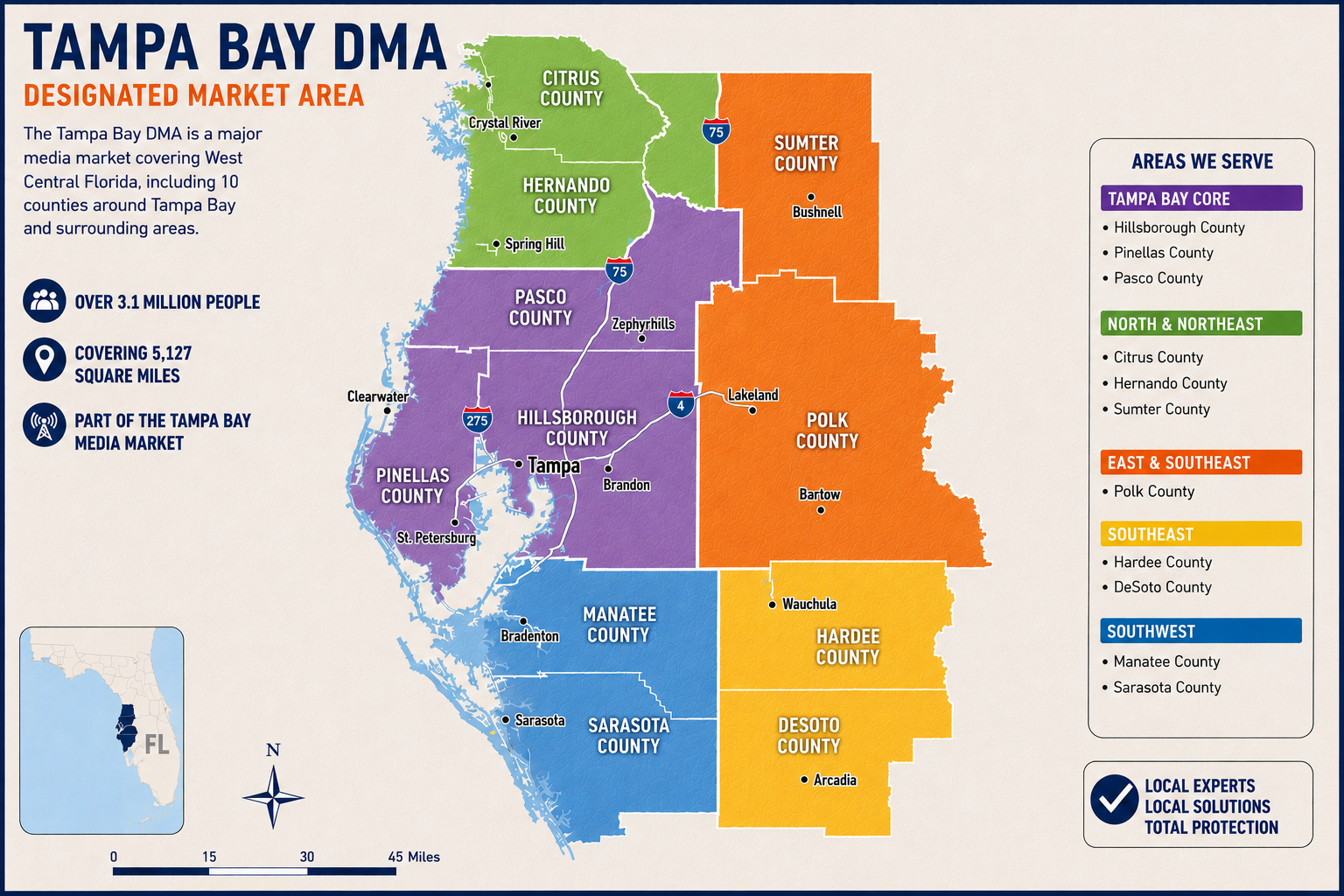
Serving Tampa Metro and Surrounding Areas
Tampa

Plant City

Temple Terrace

Brandon

Riverview


Seffner

Ruskin

Sun City Center

Wimauma

Thonotosassa


Westchase

Northdale

Town ’n’ Country

Valrico


Frequently Asked Questions About Pest Control

Got questions about pest control in the Tampa Bay area? We’ve got answers! Explore our FAQs to learn more about our services, pest management strategies, and how we can help keep your home pest-free.

  • What areas does Brooks Pest Solutions serve around Tampa?

    Brooks Pest Solutions serves Tampa and communities throughout the greater Gulf Coast region. Contact us with your ZIP code to confirm service availability at your home or business.
  • What pests does Brooks Pest Solutions treat in the Tampa region?

    We treat many pests commonly found around Tampa Bay, including ants, cockroaches, spiders, rodents, mosquitoes, fleas, ticks, silverfish, crickets, beetles, wasps, earwigs, centipedes, and millipedes.
  • Why is professional pest control important in Tampa Bay?

    Tampa’s warm temperatures, high humidity, and frequent rainfall allow many pests to remain active throughout the year. Professional service can address existing activity while helping prevent pests from returning.
  • Do you offer eco-friendly pest-control treatments?

    Yes. Brooks Pest Solutions offers eco-friendly pest-control options designed to address pest activity while being mindful of your family, pets, home, and surrounding environment.
  • Is same-day pest control available in Tampa?

    Same-day appointments may be available when you contact Brooks Pest Solutions before noon. Availability depends on your location, the service needed, and the day’s schedule.
  • How do I request pest-control service?

    Contact Brooks Pest Solutions to request a free quote and discuss the pest activity you have noticed. Our team can help determine the appropriate next step and schedule your service.
  • How much does pest control cost in the Tampa area?

    The cost depends on the type of pest, extent of the problem, property size, treatment requirements, and whether recurring service is recommended. Request a free quote for pricing based on your property.
  • Do you provide both one-time and recurring pest-control services?

    The right service plan depends on the pest and the conditions around your property. Some problems may require targeted treatment, while ongoing service may be recommended for year-round protection.
  • How often should my Tampa home receive pest-control service?

    Many Tampa Bay homes benefit from routine pest control because insects can remain active throughout the year. Your technician can recommend a schedule based on your property and pest pressure.
  • Why do ants keep entering my home?

    Ants commonly enter homes looking for food, water, or shelter. Crumbs, moisture, pet food, landscaping near the foundation, and small exterior openings can all contribute to recurring activity.

Additional Questions?

If you have more questions or need assistance, feel free to reach out to us. We're here to help you with all your pest control needs in the Tampa Bay area.

$59 Pest Control!

Call us Now! 813-592-7251