Call Us Now! 817-393-9318

Open 7 Days a Week - Available After Hours

Rodent Extermination Dallas-Fort Worth Metro and surrounding

Rodent Extermination

$59 Pest Control!

*$59 initial pest control service

Choose Us for Pest Control

  • Satisfaction Guarantee
  • Pet and Eco Friendly
  • Award Winning Service
  • Family Owned & Operated
  • Call Before Noon for Same Day Service
  • Free Re-treatment When Applicable
  • Licensed, Bonded, Insured

$59 Pest Control!

Call us Now! 817-393-9318

Rodent Pest Control

Understanding Rodents: Nature’s Adaptable Mammals

Rodents are a remarkably diverse group of mammals distinguished by their ever-growing front teeth, which they use for gnawing and chewing. With over 2,200 species, rodents account for nearly 40% of all mammal species, making them one of the most abundant and adaptable groups on Earth.

Common Rodent Species

Rodents inhabit a wide range of environments, from arid deserts to lush wetlands. Some of the most recognized rodent species include:

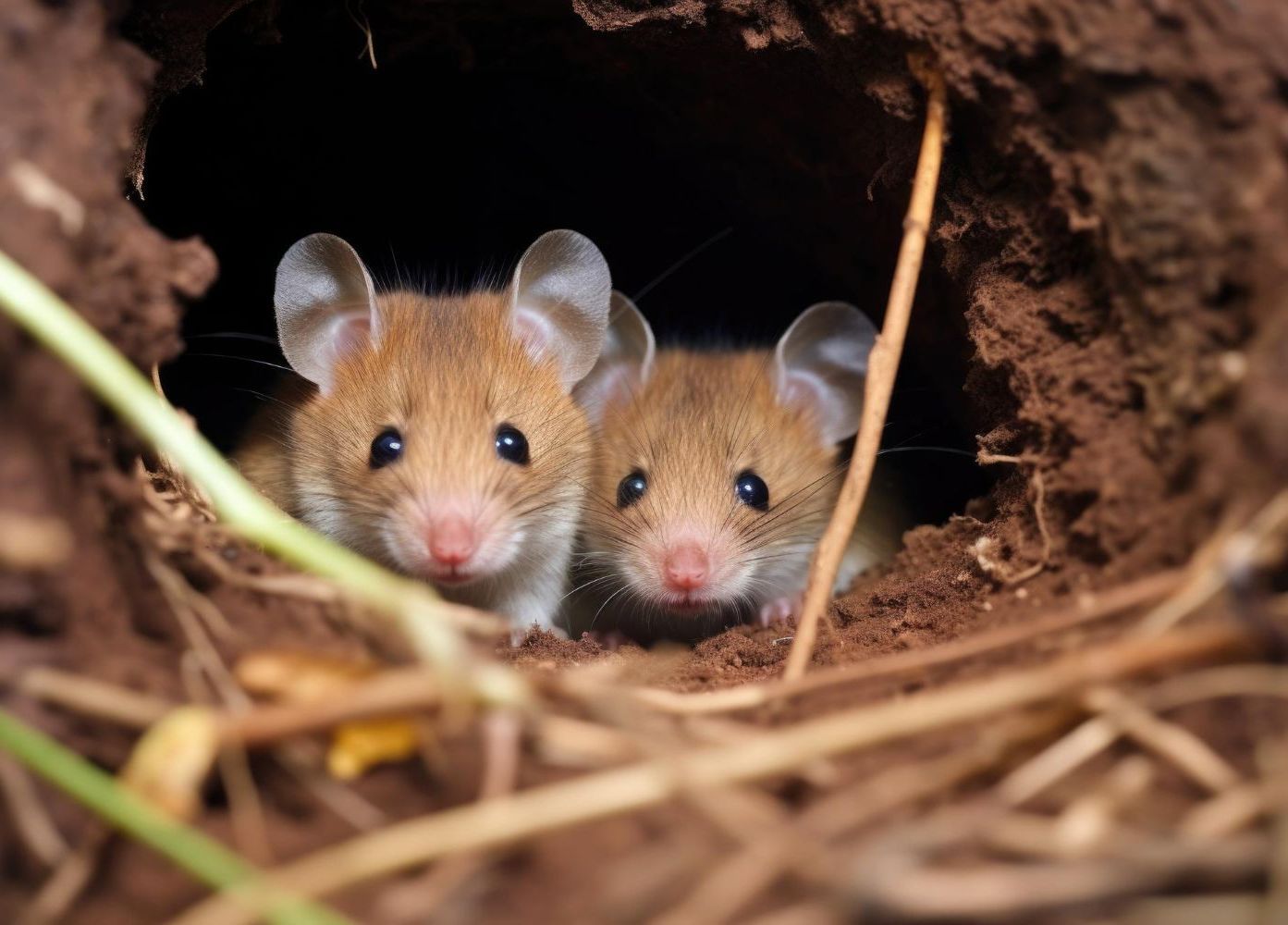
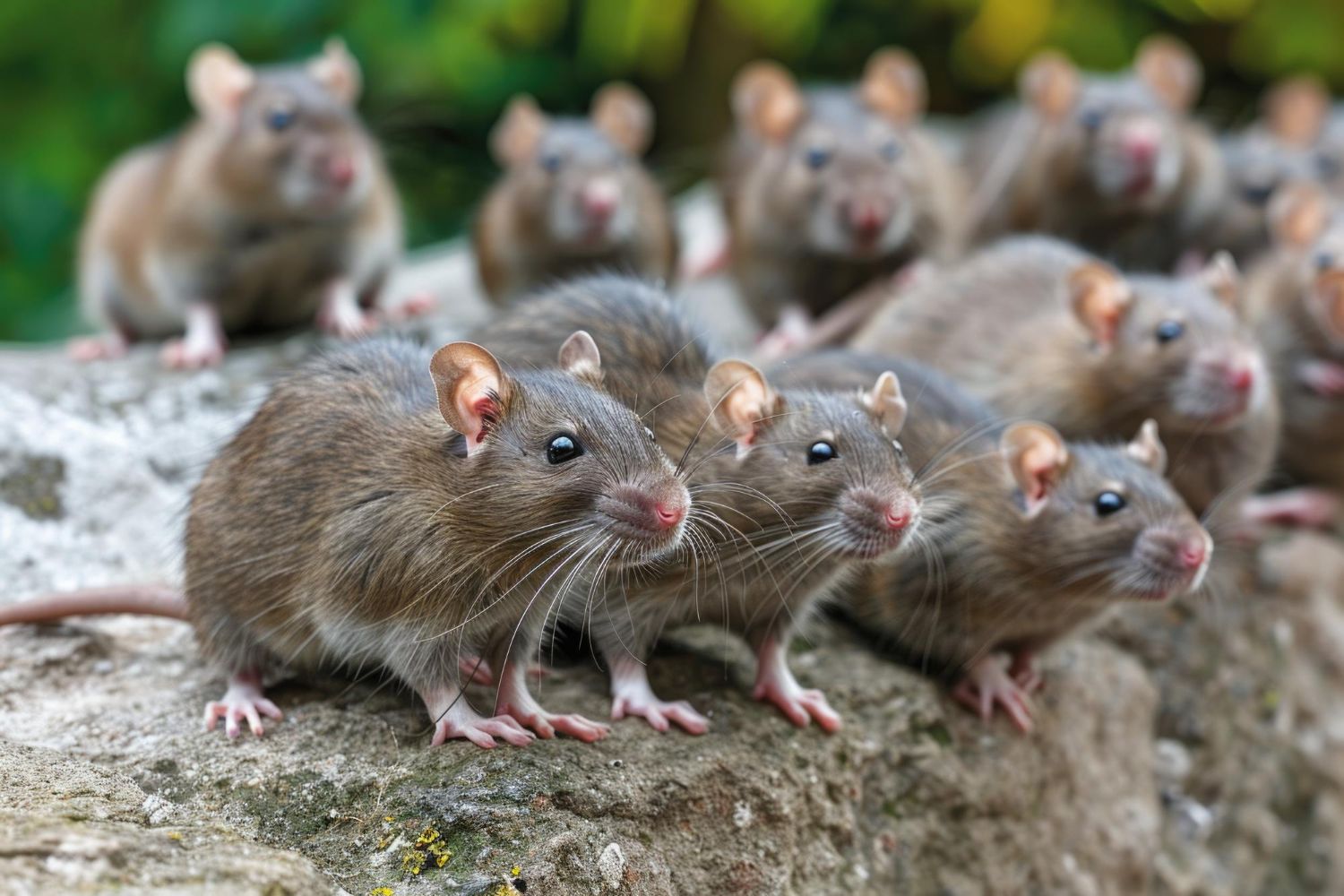
Mice and Rats: Common pests found in homes and businesses worldwide.

Squirrels: Known for their tree-climbing abilities and acorn-stashing habits.

Beavers:  Ecosystem engineers that create dams and modify waterways.

Hamsters and Guinea Pigs: Popular as household pets but still part of the rodent family.


Why Rodents Thrive

Rodents are masters of adaptation, capable of surviving in diverse climates and habitats. Their ability to reproduce quickly ensures their populations flourish, even in challenging conditions. While they play vital ecological roles—such as dispersing seeds, serving as prey, and shaping ecosystems—they can also pose significant problems as pests and disease carriers.

Rodent Pest Control

Understanding Rodents: Nature’s Adaptable Mammals

Rodents are a remarkably diverse group of mammals distinguished by their ever-growing front teeth, which they use for gnawing and chewing. With over 2,200 species, rodents account for nearly 40% of all mammal species, making them one of the most abundant and adaptable groups on Earth.

Common Rodent Species

Rodents inhabit a wide range of environments, from arid deserts to lush wetlands. Some of the most recognized rodent species include:

Mice and Rats: Common pests found in homes and businesses worldwide.

Squirrels: Known for their tree-climbing abilities and acorn-stashing habits.

Beavers: Ecosystem engineers that create dams and modify waterways.

Hamsters and Guinea Pigs: Popular as household pets but still part of the rodent family.


Why Rodents Thrive

Rodents are masters of adaptation, capable of surviving in diverse climates and habitats. Their ability to reproduce quickly ensures their populations flourish, even in challenging conditions. While they play vital ecological roles—such as dispersing seeds, serving as prey, and shaping ecosystems—they can also pose significant problems as pests and disease carriers.


Rodents as Pests

Rats and mice, in particular, are nocturnal and highly resourceful, often sneaking into homes and commercial properties in search of food and shelter. Their presence can lead to:

  • Property damage from chewing wires, insulation, and wood.
  • Contamination of food supplies.
  • Spread of diseases like hantavirus and salmonella.

Rodents as Pests

Rats and mice, in particular, are nocturnal and highly resourceful, often sneaking into homes and commercial properties in search of food and shelter. Their presence can lead to:

  • Property damage from chewing wires, insulation, and wood.
  • Contamination of food supplies.
  • Spread of diseases like hantavirus and salmonella.


What Do Rodents Eat?

A rodent’s diet varies significantly depending on its species and environment, reflecting their adaptability and diverse ecological roles. While many rodents are herbivores, others are omnivorous or even carnivorous, enabling them to thrive in a wide range of habitats.


Herbivorous Rodents

Herbivorous rodents primarily feed on plant-based materials, including:

  • Leaves and Grasses
  • Seeds and Fruits
  • Roots and Bark

Examples of herbivorous rodents include squirrels, beavers, and guinea pigs, which rely on plants to meet their nutritional needs.

Omnivorous Rodents

Omnivorous rodents, like mice and rats, consume a mix of plant and animal matter. Their diet often includes:

  • Seeds and grains
  • Fruits and vegetables
  • Insects and small animals

This versatile diet allows omnivorous rodents to adapt to urban and wild environments, often leading them to scavenge human food when available.


Carnivorous Rodents

Although less common, some rodents, like certain rats, are carnivorous. These species feed on:

  • Insects
  • Small mammals
  • Carrion

Carnivorous rodents are opportunistic feeders, making them adaptable predators within their ecosystems.


Rodents and Human Food

Rodents in urban areas often exploit human food sources, raiding pantries, garbage bins, and storage areas. This can lead to contamination, property damage, and health risks.


What Do Rodents Eat?

A rodent’s diet varies significantly depending on its species and environment, reflecting their adaptability and diverse ecological roles. While many rodents are herbivores, others are omnivorous or even carnivorous, enabling them to thrive in a wide range of habitats.


Herbivorous Rodents

Herbivorous rodents primarily feed on plant-based materials, including:

  • Leaves and Grasses
  • Seeds and Fruits
  • Roots and Bark

Examples of herbivorous rodents include squirrels, beavers, and guinea pigs, which rely on plants to meet their nutritional needs.


Omnivorous Rodents

Omnivorous rodents, like mice and rats, consume a mix of plant and animal matter. Their diet often includes:

  • Seeds and grains
  • Fruits and vegetables
  • Insects and small animals

This versatile diet allows omnivorous rodents to adapt to urban and wild environments, often leading them to scavenge human food when available.


Carnivorous Rodents

Although less common, some rodents, like certain rats, are carnivorous. These species feed on:

  • Insects
  • Small mammals
  • Carrion

Carnivorous rodents are opportunistic feeders, making them adaptable predators within their ecosystems.


Rodents and Human Food

Rodents in urban areas often exploit human food sources, raiding pantries, garbage bins, and storage areas. This can lead to contamination, property damage, and health risks.


Need Professional Rodent Control?

Rodents’ adaptable diets and feeding behaviors make them persistent pests. If you’re dealing with a rodent problem, our expert exterminators can help identify the source and provide effective solutions to protect your home or business.

Need Professional Rodent Control?

Rodents’ adaptable diets and feeding behaviors make them persistent pests. If you’re dealing with a rodent problem, our expert exterminators can help identify the source and provide effective solutions to protect your home or business.

$59 Pest Control!

Call us Now! 817-393-9318

Rats and Mice Pest Control

Mice and rats are more than just a nuisance—they pose serious risks to health and property. These rodents are carriers of dangerous diseases, such as:

  • Salmonella
  • Leptospirosis
  • Hantavirus

These illnesses can spread through their droppings, urine, and even bites. Additionally, rodents have destructive chewing habits, gnawing on electrical wires, wood, and even metal, which can lead to fire hazards and costly repairs. Contaminated food and surfaces further increase the health risks they pose, making effective pest control essential for maintaining a safe environment.

Rats and Mice Pest Control

Effective Rodent Control Solutions

Protecting your home or business from mice and rats requires swift action and proven strategies. Professional pest control services can:

  • Identify the extent of the infestation.
  • Implement effective trapping and baiting solutions.
  • Seal entry points to prevent future invasions.


Mice and rats are more than just a nuisance—they pose serious risks to health and property. These rodents are carriers of dangerous diseases, such as:

  • Salmonella
  • Leptospirosis
  • Hantavirus

These illnesses can spread through their droppings, urine, and even bites. Additionally, rodents have destructive chewing habits, gnawing on electrical wires, wood, and even metal, which can lead to fire hazards and costly repairs. Contaminated food and surfaces further increase the health risks they pose, making effective pest control essential for maintaining a safe environment.


Signs of a Rodent Infestation

Recognizing the early signs of a mouse or rat infestation is crucial for preventing further damage. Look for these common indicators:

Droppings: Small, cylindrical droppings found near food sources or active areas.

Gnaw Marks: Visible damage on wood, plastic, wires, or other materials caused by rodents’ constant chewing.

Scratching Sounds: Nocturnal rodents are often heard scurrying or scratching inside walls, ceilings, or floors.

Nests: Rodents build nests in warm, hidden spaces like attics, walls, basements, or storage areas.


Why Prompt Action Is Necessary

Left unchecked, rodent infestations can escalate quickly, leading to:

  • Increased health risks from contamination.
  • Greater structural damage to your property.
  • Rapid reproduction and population growth.


Effective Rodent Control Solutions

Protecting your home or business from mice and rats requires swift action and proven strategies. Professional pest control services can:

  • Identify the extent of the infestation.
  • Implement effective trapping and baiting solutions.
  • Seal entry points to prevent future invasions.


Signs of a Rodent Infestation

Recognizing the early signs of a mouse or rat infestation is crucial for preventing further damage. Look for these common indicators:

Droppings:  Small, cylindrical droppings found near food sources or active areas.

Gnaw Marks:  Visible damage on wood, plastic, wires, or other materials caused by rodents’ constant chewing.

Scratching Sounds: Nocturnal rodents are often heard scurrying or scratching inside walls, ceilings, or floors.

Nests:  Rodents build nests in warm, hidden spaces like attics, walls, basements, or storage areas.


Why Prompt Action Is Necessary

Left unchecked, rodent infestations can escalate quickly, leading to:

  • Increased health risks from contamination.
  • Greater structural damage to your property.
  • Rapid reproduction and population growth.


Testimonials

It looks like Brooks Pest is the “Real Deal”. I’ve been using them for several months now and so far we are happy customers. The customer service has been great. Technicians are on time and responsive. The attention to detail is great !

My technician went above and beyond explaining the different chemicals and products he was going to use. He exceeded my expectations. Cant wait to. Recommend this service to my neighbors and friends.

Each time I've had a tech come and do service, they were friendly and highly professional. Took time to explain the products they were using. Also fast and efficient not missing any details. I Would recommend.

Rodent Exterminator near me

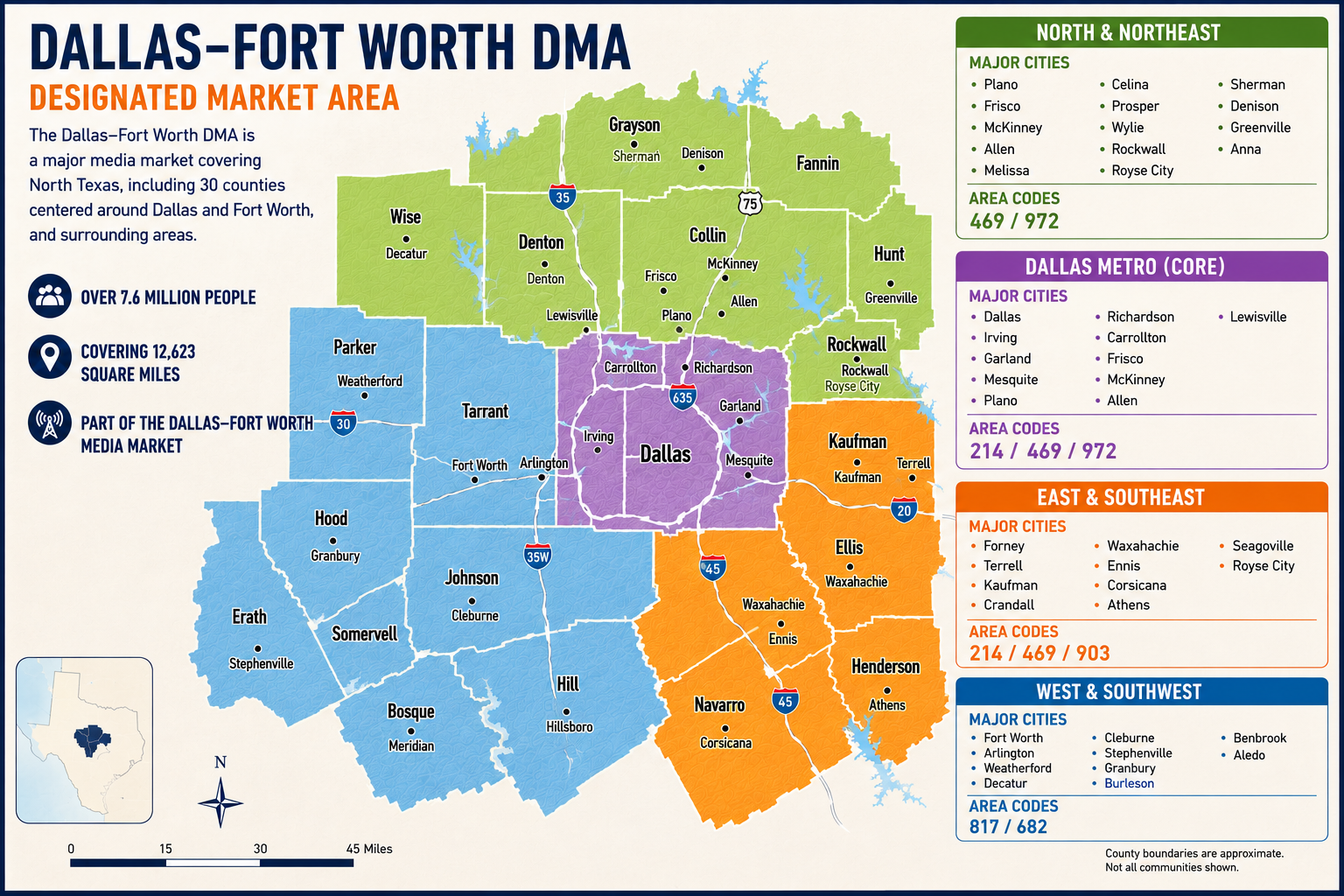
Dallas-Fort Worth Metro and surrounding Areas
fort worth

Fort Worth

Arlington

Grand Prairie

North Richland Hills

Keller

Grapevine


Southlake

Euless

Bedford

Hurst

Weatherford

Burleson


Granbury

Decatur

Aledo


FAQs in the Dallas Fort-Worth Metro

Find answers to common questions about our pest control services in the Dallas–Fort Worth area. We're here to help you keep your home and business pest-free.

  • What pest control services does Brooks Pest Solutions provide in the Dallas–Fort Worth DMA?

    Brooks Pest Control offers comprehensive pest management throughout the Dallas–Fort Worth DMA, including treatments for ants, spiders, cockroaches, rodents, termites, mosquitoes, wasps, fleas, ticks, and other common North Texas pests. Our customized service plans are designed to protect homes and businesses year-round.
  • Which cities does Brooks Pest Control serve in the Dallas DMA?

    Brooks Pest Control serves communities across the Dallas side of the DFW metro, including Dallas, Plano, Frisco, McKinney, Allen, Garland, Richardson, Carrollton, Mesquite, Irving, Lewisville, Rockwall, Rowlett, Forney, Waxahachie, and many surrounding areas.
  • What pests are most common in the Dallas area?

    North Texas homeowners commonly encounter fire ants, cockroaches, termites, mosquitoes, rodents, spiders, wasps, scorpions, fleas, ticks, and occasional invaders like silverfish and earwigs. Seasonal weather changes often increase pest activity throughout the year.
  • How often should I schedule pest control service in Dallas?

    Quarterly pest control is recommended for most homes in the Dallas area. Regular treatments help prevent infestations before they become costly and keep seasonal pests under control throughout the year.
  • Does Brooks Pest Solutions offer mosquito control in Dallas?

    Yes. Brooks Pest Control provides seasonal mosquito treatments that target breeding areas and resting sites around your property, helping reduce mosquito populations so you can enjoy your outdoor spaces.
  • Can Brooks Pest Control help with termite problems?

    Absolutely. Our termite services include inspections, treatment options, and preventative solutions designed to protect your home's structure from costly termite damage.

  • Are Brooks Pest Solutions treatments safe for children and pets?

    Yes. We use professional products and application methods that are designed to be effective against pests while being applied according to label directions. Our technicians also provide any necessary post-treatment instructions to help keep your family and pets safe.

  • Do you provide same-day or next-day pest control appointments?

    In many areas throughout the Dallas DMA, Brooks Pest  Solutions can offer prompt scheduling, including same-day or next-day service when availability allows. Contact us to check appointment availability in your area.

  • Why is year-round pest control important in North Texas?

    Dallas experiences mild winters and long warm seasons, allowing many pests to remain active throughout the year. Continuous pest management helps prevent recurring infestations and protects your home during every season.

  • Why should I choose Brooks Pest Solutions in the Dallas DMA?

    Brooks Pest  Solutions combines experienced local technicians, customized treatment plans, reliable customer service, and ongoing preventative maintenance to help keep your home pest-free. We understand the unique pest challenges homeowners face throughout the Dallas–Fort Worth region and tailor our services accordingly.

Need More Help?

If you have more questions or need assistance with pest control, don’t hesitate to reach out to Brooks Pest Solutions. We’re here to help keep your home pest-free!

$59 Pest Control!

Call us Now! 817-393-9318