Call Us Now! 239-363-5684

Open 7 Days a Week - Available After Hours

Rodent Extermination Fort Myers and Naples Metro, and Surrounding Areas

Rodent Extermination

$59 Pest Control!

*$59 initial pest control service

Choose Us for Pest Control

  • Satisfaction Guarantee
  • Pet and Eco Friendly
  • Award Winning Service
  • Family Owned & Operated
  • Call Before Noon for Same Day Service
  • Free Re-treatment When Applicable
  • Licensed, Bonded, Insured

$59 Pest Control!

Call us Now! 239-363-5684

Rodent Pest Control

Understanding Rodents: Nature’s Adaptable Mammals

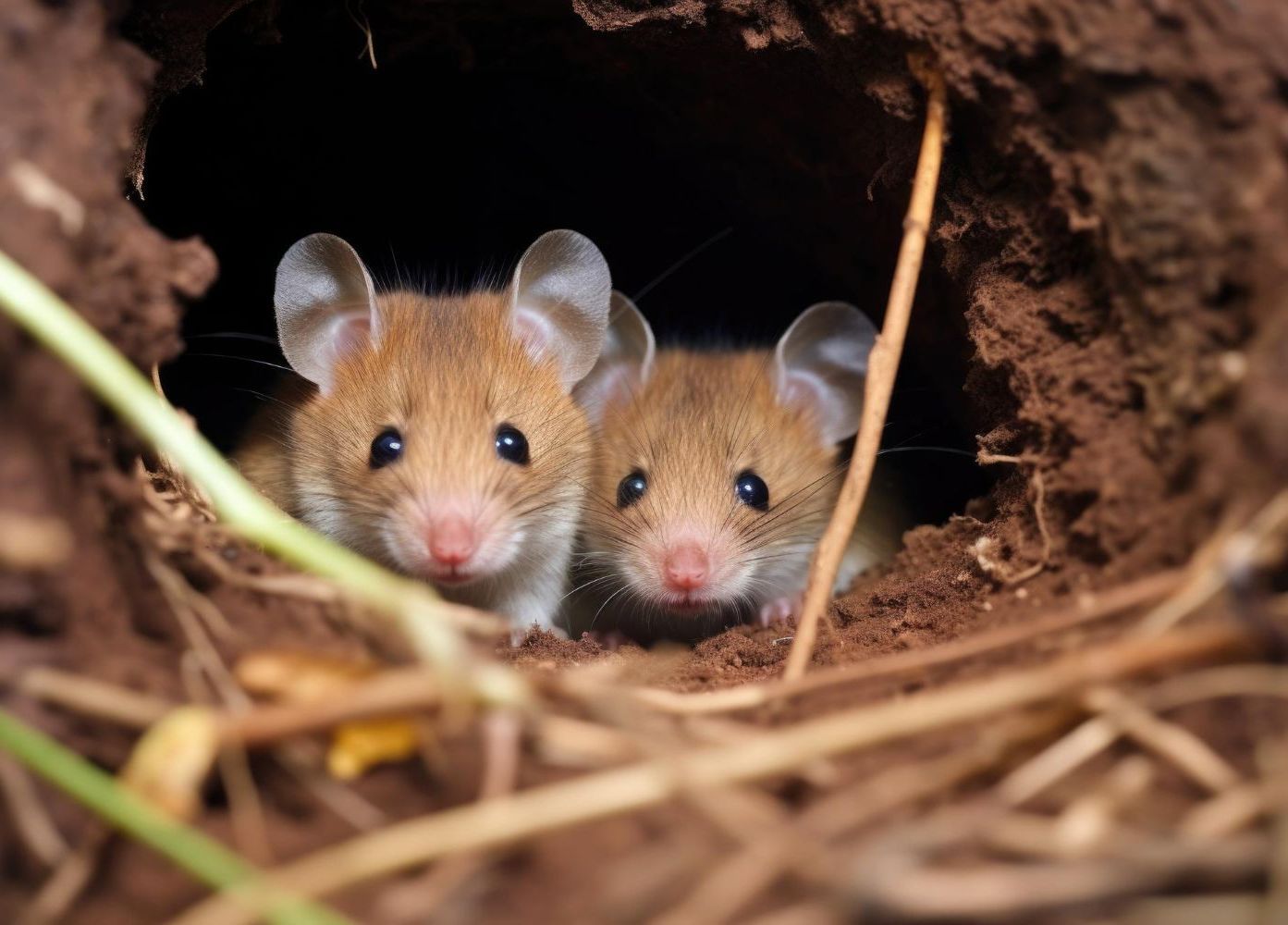
Rodents are a remarkably diverse group of mammals distinguished by their ever-growing front teeth, which they use for gnawing and chewing. With over 2,200 species, rodents account for nearly 40% of all mammal species, making them one of the most abundant and adaptable groups on Earth.

Common Rodent Species

Rodents inhabit a wide range of environments, from arid deserts to lush wetlands. Some of the most recognized rodent species include:

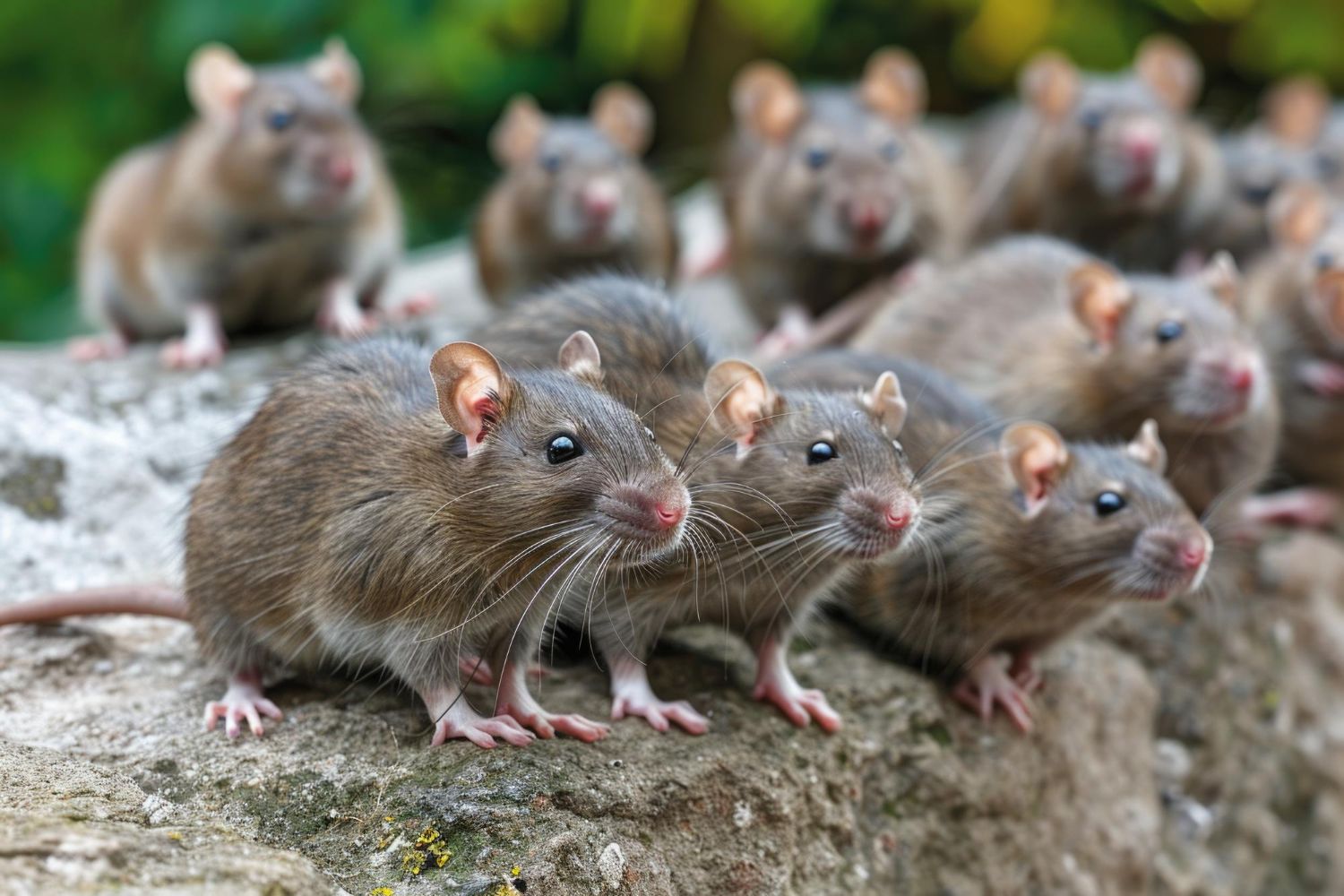
Mice and Rats: Common pests found in homes and businesses worldwide.

Squirrels: Known for their tree-climbing abilities and acorn-stashing habits.

Beavers:  Ecosystem engineers that create dams and modify waterways.

Hamsters and Guinea Pigs: Popular as household pets but still part of the rodent family.


Why Rodents Thrive

Rodents are masters of adaptation, capable of surviving in diverse climates and habitats. Their ability to reproduce quickly ensures their populations flourish, even in challenging conditions. While they play vital ecological roles—such as dispersing seeds, serving as prey, and shaping ecosystems—they can also pose significant problems as pests and disease carriers.

Rodent Pest Control

Understanding Rodents: Nature’s Adaptable Mammals

Rodents are a remarkably diverse group of mammals distinguished by their ever-growing front teeth, which they use for gnawing and chewing. With over 2,200 species, rodents account for nearly 40% of all mammal species, making them one of the most abundant and adaptable groups on Earth.

Common Rodent Species

Rodents inhabit a wide range of environments, from arid deserts to lush wetlands. Some of the most recognized rodent species include:

Mice and Rats: Common pests found in homes and businesses worldwide.

Squirrels: Known for their tree-climbing abilities and acorn-stashing habits.

Beavers: Ecosystem engineers that create dams and modify waterways.

Hamsters and Guinea Pigs: Popular as household pets but still part of the rodent family.


Why Rodents Thrive

Rodents are masters of adaptation, capable of surviving in diverse climates and habitats. Their ability to reproduce quickly ensures their populations flourish, even in challenging conditions. While they play vital ecological roles—such as dispersing seeds, serving as prey, and shaping ecosystems—they can also pose significant problems as pests and disease carriers.


Rodents as Pests

Rats and mice, in particular, are nocturnal and highly resourceful, often sneaking into homes and commercial properties in search of food and shelter. Their presence can lead to:

  • Property damage from chewing wires, insulation, and wood.
  • Contamination of food supplies.
  • Spread of diseases like hantavirus and salmonella.

Rodents as Pests

Rats and mice, in particular, are nocturnal and highly resourceful, often sneaking into homes and commercial properties in search of food and shelter. Their presence can lead to:

  • Property damage from chewing wires, insulation, and wood.
  • Contamination of food supplies.
  • Spread of diseases like hantavirus and salmonella.


What Do Rodents Eat?

A rodent’s diet varies significantly depending on its species and environment, reflecting their adaptability and diverse ecological roles. While many rodents are herbivores, others are omnivorous or even carnivorous, enabling them to thrive in a wide range of habitats.


Herbivorous Rodents

Herbivorous rodents primarily feed on plant-based materials, including:

  • Leaves and Grasses
  • Seeds and Fruits
  • Roots and Bark

Examples of herbivorous rodents include squirrels, beavers, and guinea pigs, which rely on plants to meet their nutritional needs.

Omnivorous Rodents

Omnivorous rodents, like mice and rats, consume a mix of plant and animal matter. Their diet often includes:

  • Seeds and grains
  • Fruits and vegetables
  • Insects and small animals

This versatile diet allows omnivorous rodents to adapt to urban and wild environments, often leading them to scavenge human food when available.


Carnivorous Rodents

Although less common, some rodents, like certain rats, are carnivorous. These species feed on:

  • Insects
  • Small mammals
  • Carrion

Carnivorous rodents are opportunistic feeders, making them adaptable predators within their ecosystems.


Rodents and Human Food

Rodents in urban areas often exploit human food sources, raiding pantries, garbage bins, and storage areas. This can lead to contamination, property damage, and health risks.


What Do Rodents Eat?

A rodent’s diet varies significantly depending on its species and environment, reflecting their adaptability and diverse ecological roles. While many rodents are herbivores, others are omnivorous or even carnivorous, enabling them to thrive in a wide range of habitats.


Herbivorous Rodents

Herbivorous rodents primarily feed on plant-based materials, including:

  • Leaves and Grasses
  • Seeds and Fruits
  • Roots and Bark

Examples of herbivorous rodents include squirrels, beavers, and guinea pigs, which rely on plants to meet their nutritional needs.


Omnivorous Rodents

Omnivorous rodents, like mice and rats, consume a mix of plant and animal matter. Their diet often includes:

  • Seeds and grains
  • Fruits and vegetables
  • Insects and small animals

This versatile diet allows omnivorous rodents to adapt to urban and wild environments, often leading them to scavenge human food when available.


Carnivorous Rodents

Although less common, some rodents, like certain rats, are carnivorous. These species feed on:

  • Insects
  • Small mammals
  • Carrion

Carnivorous rodents are opportunistic feeders, making them adaptable predators within their ecosystems.


Rodents and Human Food

Rodents in urban areas often exploit human food sources, raiding pantries, garbage bins, and storage areas. This can lead to contamination, property damage, and health risks.


Need Professional Rodent Control?

Rodents’ adaptable diets and feeding behaviors make them persistent pests. If you’re dealing with a rodent problem, our expert exterminators can help identify the source and provide effective solutions to protect your home or business.

Need Professional Rodent Control?

Rodents’ adaptable diets and feeding behaviors make them persistent pests. If you’re dealing with a rodent problem, our expert exterminators can help identify the source and provide effective solutions to protect your home or business.

$59 Pest Control!

Call us Now! 239-363-5684

Rats and Mice Pest Control

Mice and rats are more than just a nuisance—they pose serious risks to health and property. These rodents are carriers of dangerous diseases, such as:

  • Salmonella
  • Leptospirosis
  • Hantavirus

These illnesses can spread through their droppings, urine, and even bites. Additionally, rodents have destructive chewing habits, gnawing on electrical wires, wood, and even metal, which can lead to fire hazards and costly repairs. Contaminated food and surfaces further increase the health risks they pose, making effective pest control essential for maintaining a safe environment.

Rats and Mice Pest Control

Effective Rodent Control Solutions

Protecting your home or business from mice and rats requires swift action and proven strategies. Professional pest control services can:

  • Identify the extent of the infestation.
  • Implement effective trapping and baiting solutions.
  • Seal entry points to prevent future invasions.


Mice and rats are more than just a nuisance—they pose serious risks to health and property. These rodents are carriers of dangerous diseases, such as:

  • Salmonella
  • Leptospirosis
  • Hantavirus

These illnesses can spread through their droppings, urine, and even bites. Additionally, rodents have destructive chewing habits, gnawing on electrical wires, wood, and even metal, which can lead to fire hazards and costly repairs. Contaminated food and surfaces further increase the health risks they pose, making effective pest control essential for maintaining a safe environment.


Signs of a Rodent Infestation

Recognizing the early signs of a mouse or rat infestation is crucial for preventing further damage. Look for these common indicators:

Droppings: Small, cylindrical droppings found near food sources or active areas.

Gnaw Marks: Visible damage on wood, plastic, wires, or other materials caused by rodents’ constant chewing.

Scratching Sounds: Nocturnal rodents are often heard scurrying or scratching inside walls, ceilings, or floors.

Nests: Rodents build nests in warm, hidden spaces like attics, walls, basements, or storage areas.


Why Prompt Action Is Necessary

Left unchecked, rodent infestations can escalate quickly, leading to:

  • Increased health risks from contamination.
  • Greater structural damage to your property.
  • Rapid reproduction and population growth.


Effective Rodent Control Solutions

Protecting your home or business from mice and rats requires swift action and proven strategies. Professional pest control services can:

  • Identify the extent of the infestation.
  • Implement effective trapping and baiting solutions.
  • Seal entry points to prevent future invasions.


Signs of a Rodent Infestation

Recognizing the early signs of a mouse or rat infestation is crucial for preventing further damage. Look for these common indicators:

Droppings:  Small, cylindrical droppings found near food sources or active areas.

Gnaw Marks:  Visible damage on wood, plastic, wires, or other materials caused by rodents’ constant chewing.

Scratching Sounds: Nocturnal rodents are often heard scurrying or scratching inside walls, ceilings, or floors.

Nests:  Rodents build nests in warm, hidden spaces like attics, walls, basements, or storage areas.


Why Prompt Action Is Necessary

Left unchecked, rodent infestations can escalate quickly, leading to:

  • Increased health risks from contamination.
  • Greater structural damage to your property.
  • Rapid reproduction and population growth.


Testimonials

It looks like Brooks Pest is the “Real Deal”. I’ve been using them for several months now and so far we are happy customers. The customer service has been great. Technicians are on time and responsive. The attention to detail is great !

My technician went above and beyond explaining the different chemicals and products he was going to use. He exceeded my expectations. Cant wait to. Recommend this service to my neighbors and friends.

Each time I've had a tech come and do service, they were friendly and highly professional. Took time to explain the products they were using. Also fast and efficient not missing any details. I Would recommend.

Rodent Exterminator near me

Serving The Fort Myers and Naples Metro, and Surrounding Areas
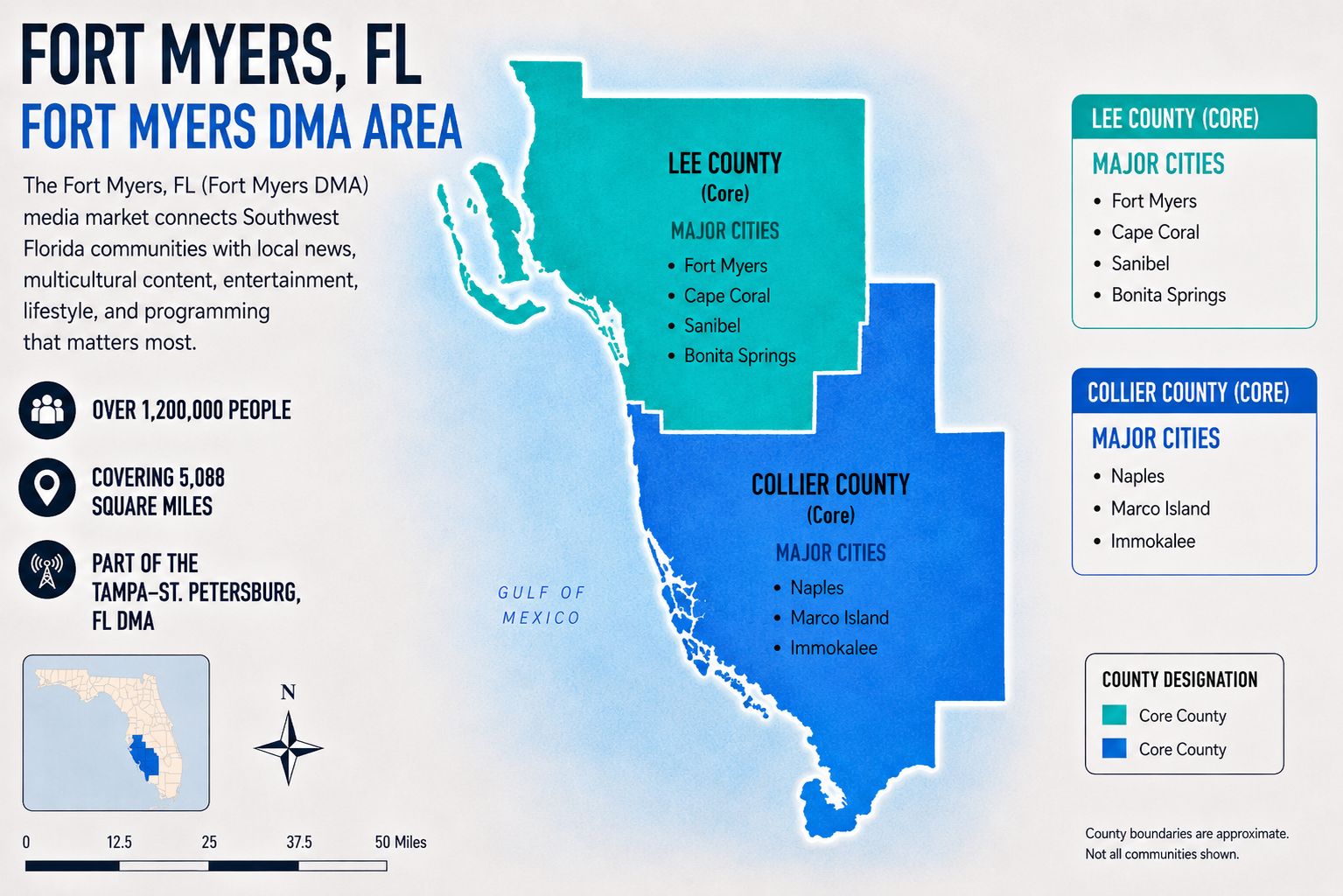
Fort Myers and Naples

Estero

Fort Myers Beach

Lehigh Acres

North Fort Myers

San Carlos Park


Alva

Captiva

Pine Island

Gateway

Ave Maria

Golden Gate


Everglades City

Naples Park

Pelican Bay

Lely Resort

Chokoloskee

Goodland


Fort Myers DMA FAQs

Got questions about pest control in the Fort Myers area? We’ve got answers! Explore our frequently asked questions to learn more about our services and how we can help keep your home pest-free.

  • What areas does Brooks Pest Solutions serve in the Fort Myers DMA?

    Brooks Pest Solutions serves customers throughout the Fort Myers market and surrounding Southwest Florida communities. Service availability may vary by location, so contact our team to confirm coverage for your home or business.
  • What are the most common pests in the Fort Myers area?

    Southwest Florida’s warm, humid climate can support pest activity throughout the year. Common concerns include ants, cockroaches, spiders, mosquitoes, rodents, fleas, ticks, and other unwanted pests.
  • Does Brooks Pest Solutions offer year-round pest control in Fort Myers?

    Yes. Because many Florida pests remain active throughout the year, ongoing pest control can help address current activity while reducing the conditions that allow pests to return.
  • Why are ants so common around Fort Myers homes?

    Warm temperatures, moisture, landscaping, and easy access to food and water can make Fort Myers properties attractive to ants. A professional inspection can help identify activity, entry points, and contributing conditions.
  • Can you help with cockroach problems in Southwest Florida?

    Yes. Brooks Pest Solutions can inspect for cockroach activity and develop a treatment approach based on the conditions found at the property. Addressing moisture, food sources, and potential hiding places may also be part of an effective control strategy.
  • Are pest control treatments safe for my family and pets?

    Yes. Always inform your technician about pets, children, or specific health concerns so they can use appropriate products and provide clear safety or re-entry instructions.

  • Does Brooks Pest Solutions provide mosquito control in the Fort Myers area?

    Contact Brooks Pest Solutions to ask about mosquito-control options available at your location. Fort Myers’ warm weather and frequent moisture can create favorable conditions for mosquitoes, particularly around standing water and shaded outdoor areas.
  • What should I do if I see signs of rodents in my Fort Myers home?

    If you notice droppings, scratching sounds, gnaw marks, or other signs of rodents, schedule an inspection. A pest professional can look for activity and potential entry points and recommend an appropriate control plan.
  • How often should a Fort Myers home receive pest control service?

    The appropriate frequency depends on the property, pest pressure, season, and type of pest involved. Brooks Pest Solutions can recommend a service schedule after evaluating your home and its specific pest-control needs.
  • Are pest problems worse during Florida’s rainy season?

    Pest activity can change as rainfall and temperatures fluctuate. Heavy rain may drive some pests toward sheltered areas, while standing water and increased moisture can create favorable conditions for others.
  • How can I help prevent pests around my Fort Myers property?

    Keep food properly stored, repair leaks, eliminate standing water, seal accessible gaps around the exterior, keep vegetation maintained, and avoid allowing debris to accumulate near the home. Professional pest control can complement these preventive measures.
  • How do I schedule pest control with Brooks Pest Solutions in the Fort Myers DMA?

    Contact Brooks Pest Solutions to discuss the pest issue and confirm service availability for your Southwest Florida location. The team can help determine the appropriate next step based on your property and pest concerns.

Schedule Your Pest Control Today

Contact Brooks Pest Solutions to discuss your pest issue and confirm service availability for your Southwest Florida location. Our team is ready to help determine the appropriate next steps based on your property and pest concerns.

$59 Pest Control!

Call us Now! 239-363-5684